Blog

ChatGPT-Image-May-13-2026-12_00_47-PM-1200x800.png

What Makes Resinous Flooring a Top Choice for Modern Commercial Spaces

May 21, 2026Commercial Flooring

Key Takeaways

  • Resinous flooring offers exceptional durability for commercial and industrial environments
  • Seamless surfaces improve cleanliness and reduce maintenance needs
  • Resinous systems resist chemicals, stains, moisture, and heavy traffic
  • Modern design options allow businesses to combine functionality with aesthetics
  • Long lifespan and low upkeep make resinous flooring a cost-effective investment

What Makes Resinous Flooring a Top Choice for Modern Commercial Spaces

Modern commercial spaces demand more from their flooring than ever before. Business owners need surfaces that can handle heavy traffic, support daily operations, maintain a professional appearance, and minimize maintenance costs. At the same time, aesthetics have become increasingly important as businesses look to create inviting, branded environments for customers and employees alike.

This is why resinous flooring has become one of the fastest-growing flooring solutions across commercial and industrial industries. Combining strength, versatility, and visual appeal, resinous flooring systems are transforming everything from warehouses and retail stores to healthcare facilities and restaurants.

At Custom Concrete Solutions, we help businesses install high-performance resinous flooring systems tailored to the specific demands of their spaces. In this blog, we will explore what resinous flooring is, why it performs so well in commercial environments, and why more property owners are making the switch.

What Is Resinous Flooring?

Resinous flooring refers to a seamless flooring system created by applying resin-based materials over a concrete substrate. These systems typically include epoxy, polyurethane, or polyaspartic materials that chemically bond to the concrete surface.

Once cured, resinous flooring creates a durable, non-porous finish designed to withstand wear, chemicals, moisture, and heavy use.

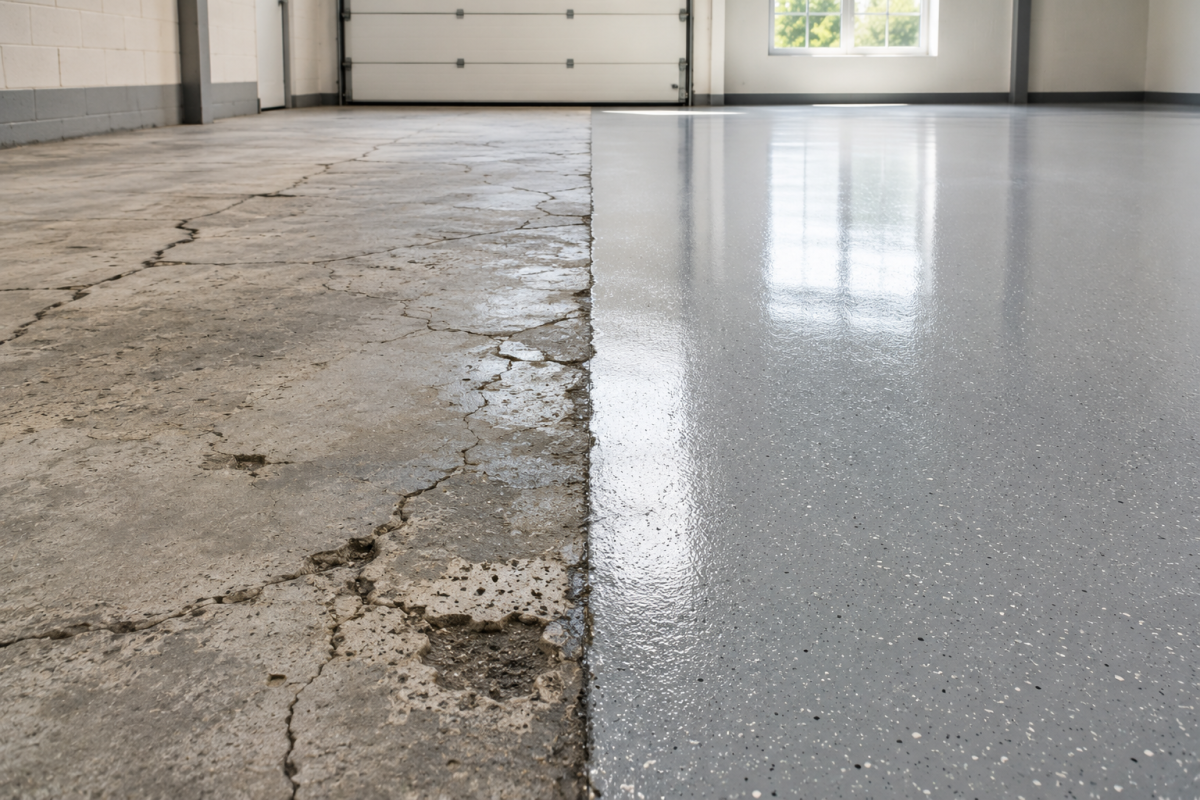
Unlike tile, vinyl, or untreated concrete, resinous floors do not have seams, grout lines, or weak points where dirt and moisture can penetrate.

Why Modern Commercial Spaces Choose Resinous Flooring

1. Exceptional Durability

One of the primary reasons businesses choose resinous flooring is durability. Commercial environments place enormous stress on floors every day. Foot traffic, rolling carts, machinery, spills, and impacts can quickly damage traditional flooring materials.

Resinous systems are specifically engineered to handle:

  • Heavy equipment
  • Constant foot traffic
  • Abrasion and impact
  • Chemical exposure
  • Moisture and humidity

This makes resinous flooring ideal for high-performance commercial spaces where reliability matters.

2. Seamless and Hygienic Surface

In many industries, cleanliness is critical. Resinous flooring creates a smooth, seamless surface with no grout lines or joints where bacteria, dust, or debris can collect.

This makes it an excellent option for:

  • Healthcare facilities
  • Laboratories
  • Restaurants
  • Food processing plants
  • Pharmaceutical spaces

The seamless nature of resinous flooring also makes routine cleaning significantly easier.

3. Low Maintenance Requirements

Traditional flooring materials often require extensive upkeep. Tile grout must be cleaned, polished concrete may need refinishing, and vinyl can peel or wear down over time.

Resinous flooring is designed to simplify maintenance. Most surfaces only require:

  • Regular sweeping
  • Occasional mopping with mild cleaners
  • Prompt cleanup of spills

This reduces maintenance costs while helping the floor maintain its appearance for years.

Aesthetic Flexibility for Modern Design

Commercial flooring no longer needs to look purely functional. Today’s businesses want spaces that reflect professionalism and brand identity.

One of the greatest advantages of resinous flooring is its design flexibility.

Custom Colors and Finishes

Businesses can choose from:

  • Solid color systems
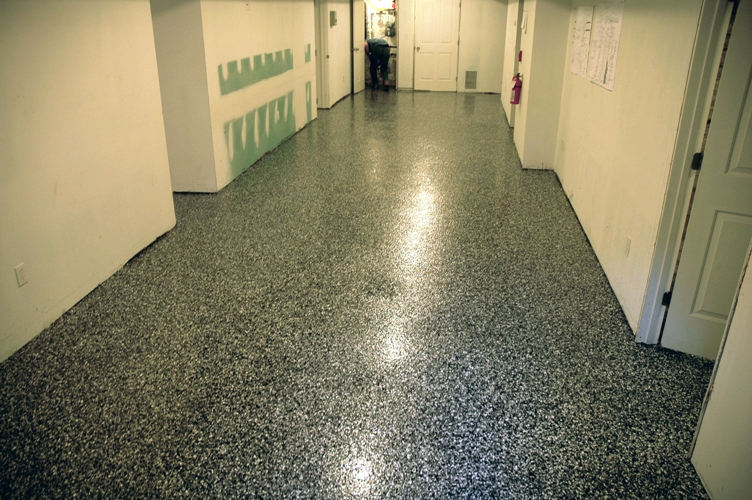
  • Decorative flake finishes
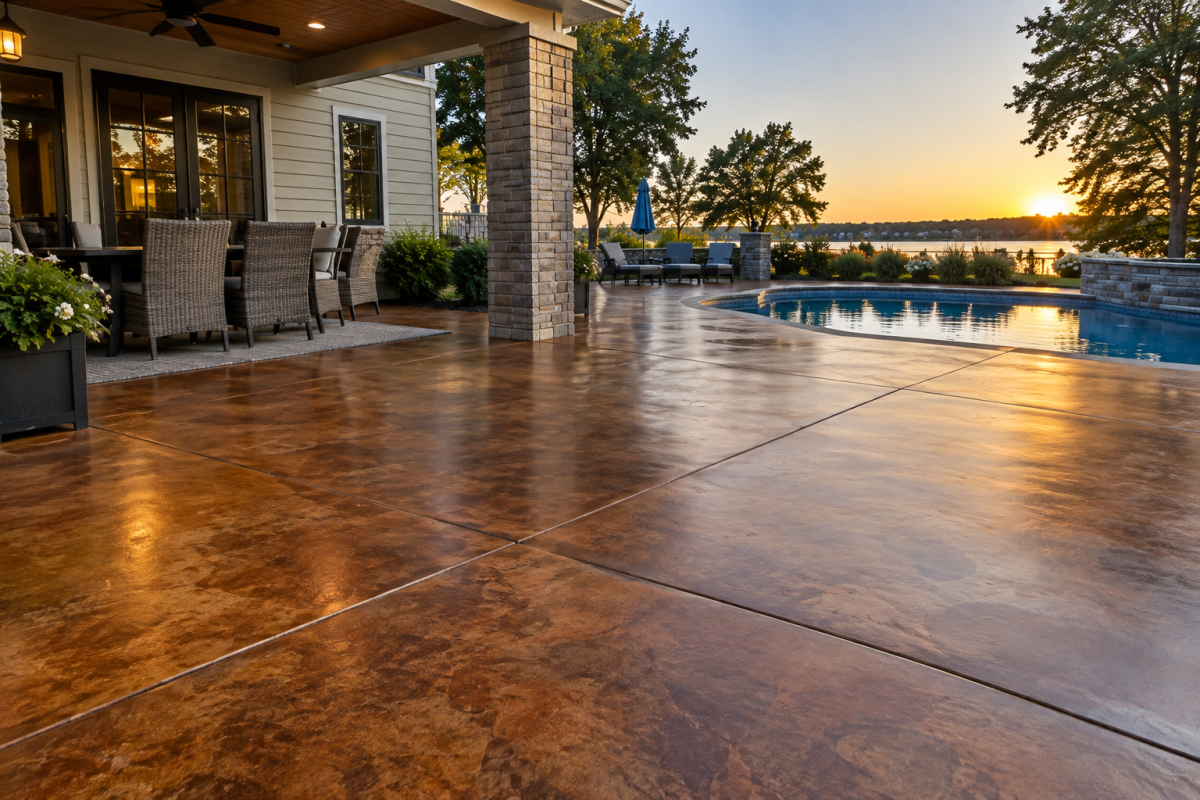
  • Metallic resin effects
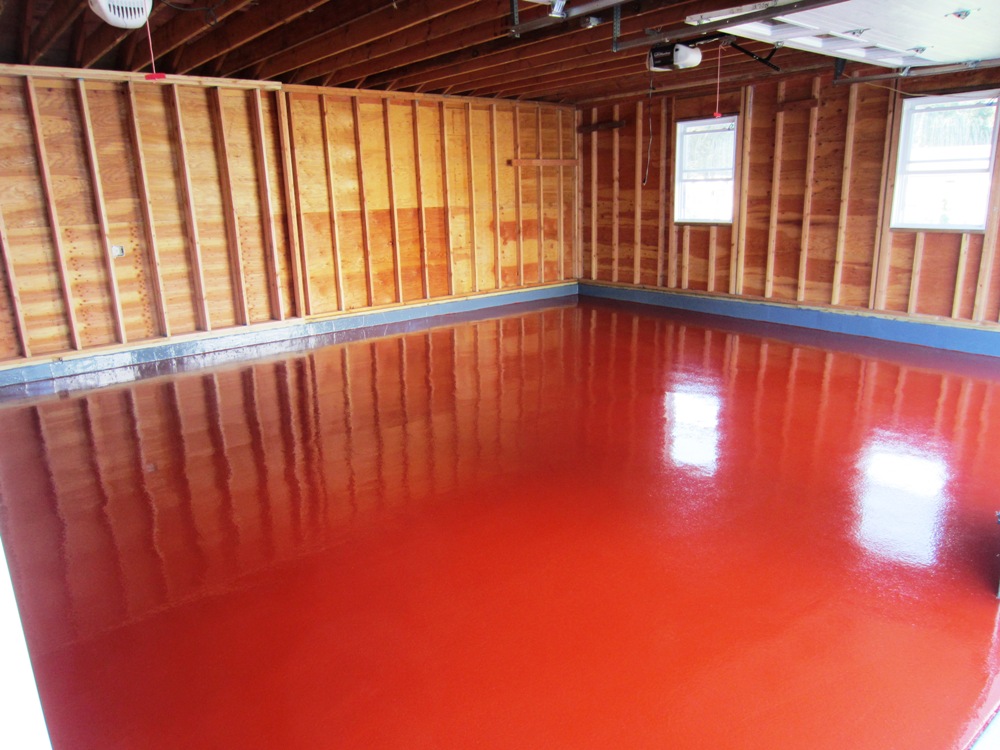
  • Matte or high-gloss surfaces
  • Custom branding and logos

This allows companies to create unique environments that align with their aesthetic goals.

Modern and Professional Appearance

Resinous flooring creates a sleek, polished look that enhances the overall feel of a space. Whether installed in a retail showroom or a corporate office, it immediately contributes to a cleaner and more professional atmosphere.

At Custom Concrete Solutions, we work closely with clients to create flooring systems that balance performance with visual appeal.

Explore our commercial flooring services

Chemical and Moisture Resistance

Commercial and industrial environments are often exposed to chemicals, oils, cleaning agents, and moisture. Untreated concrete absorbs these materials, which can lead to staining, deterioration, and long-term damage.

Resinous flooring systems create a protective barrier that resists:

  • Oil and grease
  • Solvents and chemicals
  • Water and humidity
  • Stains and spills

This resistance extends the lifespan of the concrete substrate while improving overall safety and cleanliness.

Safety Benefits of Resinous Flooring

Safety is a major concern in commercial environments, and flooring plays a critical role.

Slip Resistance

Resinous floors can include textured finishes or anti-slip additives that improve traction in wet or high-traffic areas.

Improved Visibility

Reflective resinous finishes improve lighting conditions, particularly in large facilities like warehouses and manufacturing plants.

Clearly Defined Work Zones

Custom striping and markings can be integrated into the flooring system to create:

  • Safety walkways
  • Hazard zones
  • Equipment boundaries
  • Traffic lanes

This improves organization and reduces workplace accidents.

Common Applications for Resinous Flooring

Retail Stores

Creates attractive, durable surfaces capable of handling heavy customer traffic.

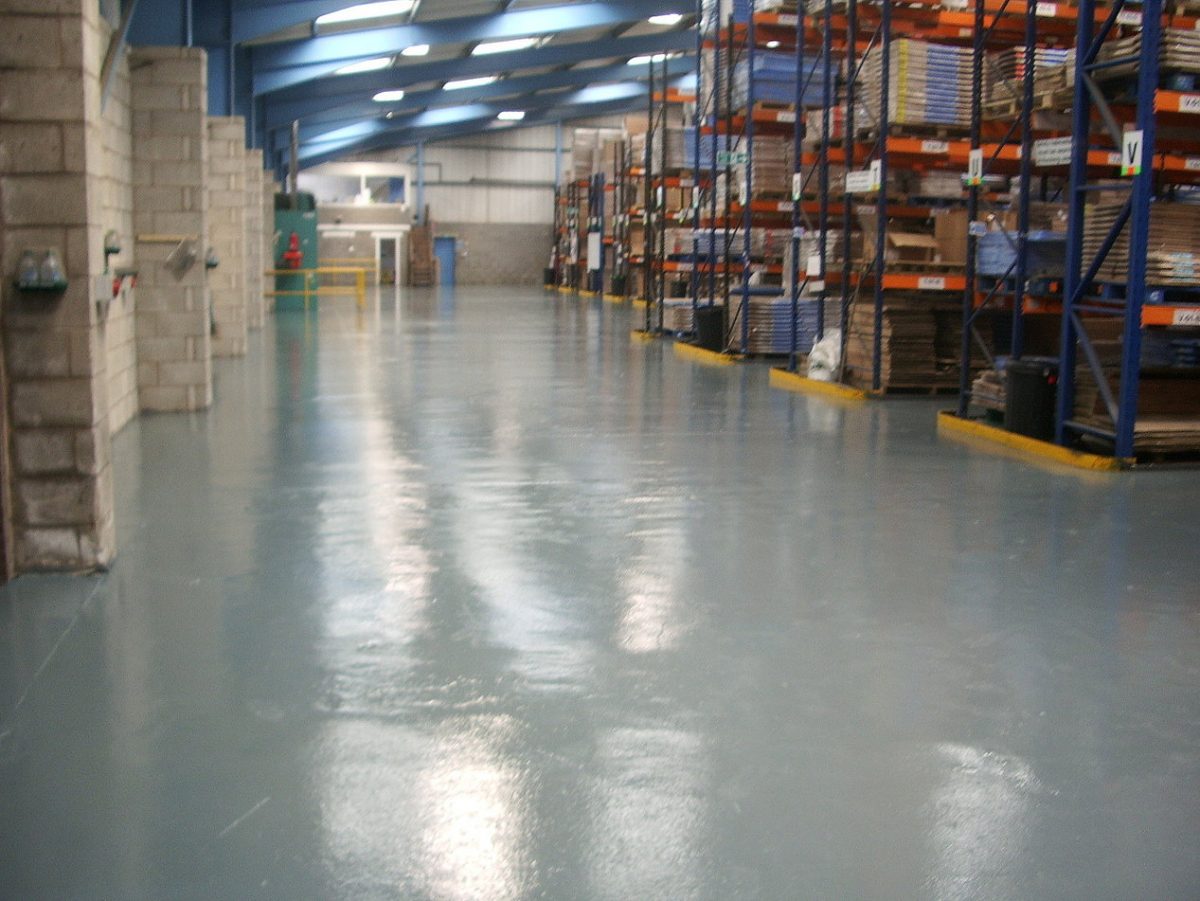
Warehouses and Distribution Centers

Supports forklifts, pallets, and heavy machinery.

Healthcare Facilities

Provides hygienic, seamless surfaces that are easy to sanitize.

Restaurants and Commercial Kitchens

Resists spills, grease, and frequent cleaning.

Manufacturing Facilities

Handles harsh industrial conditions and heavy equipment.

Office Buildings

Adds a modern, polished appearance while minimizing maintenance.

Types of Resinous Flooring Systems

There are several types of resinous flooring systems available, each designed for different environments.

Epoxy Flooring

Known for durability and chemical resistance. Commonly used in industrial and commercial spaces.

Polyurethane Flooring

Offers greater flexibility and resistance to thermal shock, making it ideal for food processing facilities.

Polyaspartic Flooring

Fast-curing and UV-resistant, making it suitable for both indoor and outdoor applications.

A professional flooring contractor can recommend the best system based on the facility’s needs and traffic levels.

The Installation Process

Successful resinous flooring installation requires expertise and proper preparation.

1. Surface Preparation

Concrete is cleaned and mechanically ground to ensure strong adhesion.

2. Crack and Damage Repair

Imperfections are repaired to create a stable foundation.

3. Primer Application

A bonding layer is applied to prepare the surface.

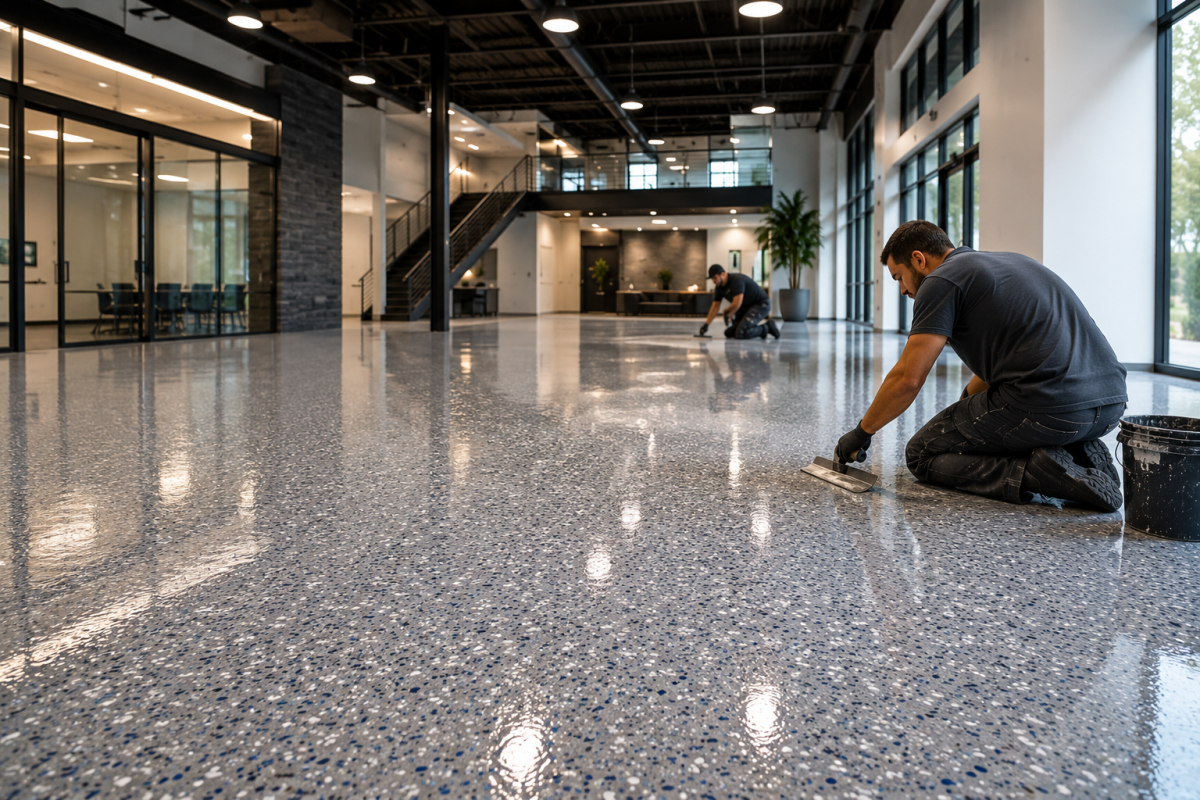
4. Resin Application

The selected resin system is installed in layers.

5. Topcoat and Finishing

Protective coatings are added to improve durability and finish.

6. Curing

The floor cures before being opened to traffic.

Long-Term Value of Resinous Flooring

While resinous flooring may require a larger upfront investment than some alternatives, it provides significant long-term savings.

Lower Maintenance Costs

Minimal upkeep reduces labor and cleaning expenses.

Reduced Repairs

Durable surfaces withstand wear and damage for years.

Extended Lifespan

Properly installed resinous flooring can last well over a decade.

Improved Appearance

A clean, modern floor enhances the overall image of the business.

Frequently Asked Questions

How long does resinous flooring last?

With proper installation and maintenance, resinous flooring can last 10 to 20 years or more.

Is resinous flooring suitable for heavy traffic?

Yes. It is specifically designed for commercial and industrial environments with constant use.

Can resinous flooring resist chemicals?

Yes. Many resin systems offer strong resistance to oils, solvents, and industrial chemicals.

Is resinous flooring slippery?

Slip-resistant additives can be added to improve traction and safety.

How long does installation take?

Most projects are completed within a few days, depending on the size and complexity of the space.

As commercial spaces continue to evolve, businesses need flooring systems that deliver durability, safety, efficiency, and modern design. Resinous flooring checks all of these boxes, making it one of the smartest investments for commercial and industrial properties.

At Custom Concrete Solutions, we install high-performance resinous flooring systems built to handle demanding environments while maintaining a clean, professional appearance.

Ready to upgrade your commercial space with resinous flooring? Contact our team today to schedule a consultation

Let us help you create a flooring system designed for long-term performance and lasting visual impact. 

Epoxy-Industrial-Floor-1200x901.jpg

Industrial Epoxy Flooring: Built to Handle Heavy Equipment, Traffic, and Time

April 24, 2026commercial epoxy flooring

Key Takeaways

  • Industrial epoxy flooring is designed for extreme durability in high-demand environments
  • It resists heavy machinery, constant traffic, and chemical exposure
  • Seamless surfaces improve safety, cleanliness, and efficiency
  • Custom coatings can enhance visibility and workflow organization
  • Long lifespan and low maintenance make it a cost-effective solution

Industrial Epoxy Flooring: Built to Handle Heavy Equipment, Traffic, and Time

In industrial environments, flooring is not just a finishing detail. It is a critical part of daily operations. From manufacturing plants to warehouses and distribution centers, floors must support heavy equipment, constant movement, and exposure to chemicals without failure. That is why industrial epoxy flooring has become the preferred choice for facilities that demand strength, reliability, and long-term performance.

At Custom Concrete Solutions, we specialize in installing industrial epoxy systems that are built to withstand the toughest conditions while maintaining a clean, professional appearance.

What Is Industrial Epoxy Flooring?

Industrial epoxy flooring is a high-performance coating system applied over concrete surfaces. It is created by combining resin and hardener components, which chemically react to form a rigid, durable surface.

Once cured, the epoxy bonds directly to the concrete, creating a seamless and non-porous finish that protects the underlying slab from damage. This makes it significantly more durable than untreated concrete or standard coatings.

If you want to explore the full range of industrial flooring solutions available, visit our website.

Why Industrial Facilities Rely on Epoxy Flooring

Industrial environments place constant stress on flooring systems. Without proper protection, concrete can crack, wear down, and become unsafe. Industrial epoxy flooring solves these challenges by providing a surface designed for performance.

1. Handles Heavy Equipment with Ease

Forklifts, pallet jacks, and heavy machinery can quickly damage unprotected concrete. Epoxy flooring distributes weight evenly and resists impact, preventing cracks and surface deterioration.

This makes it ideal for:

  • Warehouses
  • Manufacturing plants
  • Distribution centers
  • Logistics hubs

2. Built for Constant Traffic

Industrial floors experience continuous movement from workers, vehicles, and equipment. Epoxy coatings are engineered to withstand high traffic without showing wear.

The result is a floor that maintains its integrity and appearance even after years of use.

3. Resistant to Chemicals and Spills

Industrial settings often involve exposure to:

  • Oils and lubricants
  • Cleaning chemicals
  • Solvents and acids
  • Fuel and grease

Epoxy flooring creates a protective barrier that prevents these substances from penetrating the surface. This not only protects the concrete but also makes cleanup faster and easier.

4. Long-Term Durability

One of the biggest advantages of industrial epoxy flooring is its lifespan. With proper installation and maintenance, these floors can last 10 to 20 years or more, even in demanding environments.

At Custom Concrete Solutions, we tailor each system to the facility’s specific needs to ensure maximum longevity.

Safety Benefits in Industrial Environments

Safety is a top priority in any industrial setting. Flooring plays a major role in preventing accidents and maintaining compliance.

Slip Resistance

Epoxy coatings can include anti-slip additives that improve traction, especially in areas exposed to liquids or heavy use.

Improved Visibility

Bright, reflective epoxy surfaces improve lighting conditions in large facilities. This enhances visibility and reduces the risk of accidents.

Zoning and Line Striping

Industrial epoxy floors can be customized with:

  • Safety walkways
  • Equipment zones
  • Traffic lanes
  • Hazard markings

This helps organize workflow and improve efficiency while maintaining a safer environment.

To learn more about how we design customized flooring systems, visit our services page.

Seamless and Hygienic Surface

Unlike tile or other flooring systems, epoxy is completely seamless. This means:

  • No cracks or joints for debris to collect
  • Easier cleaning and maintenance
  • Reduced dust and contamination

This is especially important in industries such as food processing, pharmaceuticals, and manufacturing, where cleanliness is critical.

Industrial Applications of Epoxy Flooring

Industrial epoxy flooring is used across a wide range of sectors due to its versatility and strength.

Manufacturing Facilities

Supports heavy machinery and resists chemical exposure.

Warehouses

Handles forklift traffic and constant movement.

Automotive and Mechanical Shops

Resistant to oil, fuel, and chemical spills.

Food Processing Plants

Maintains hygiene and meets safety standards.

Pharmaceutical Facilities

Provides a clean, seamless surface for controlled environments.

The Installation Process

A successful epoxy flooring system depends on proper installation. At Custom Concrete Solutions, we follow a proven process to ensure long-term performance.

1. Surface Preparation

We clean and mechanically grind the concrete to ensure strong adhesion.

2. Crack and Damage Repair

Any imperfections are repaired to create a smooth foundation.

3. Primer Application

A bonding layer is applied to prepare the surface.

4. Epoxy Installation

The epoxy system is applied in layers, including any required textures or safety features.

5. Topcoat Application

A protective topcoat enhances durability and resistance.

6. Curing

The floor is allowed to fully cure before being put into service.

Cost Efficiency and Long-Term Value

While the upfront cost of epoxy flooring may be higher than that of basic coatings, it provides significant long-term value.

Reduced Maintenance

Epoxy floors require minimal upkeep compared to other flooring types.

Fewer Repairs

Epoxy’s durability reduces the need for ongoing repairs.

Extended Lifespan

A properly installed system can last decades, making it a smart investment.

Improved Productivity

Clean, organized, and safe flooring contributes to better workflow and efficiency.

Maintenance Tips for Industrial Epoxy Floors

Maintaining your epoxy floor helps maximize its lifespan and performance:

  • Sweep regularly to remove debris
  • Use mild, non-acidic cleaners
  • Clean spills promptly
  • Avoid dragging heavy equipment across the surface
  • Reapply protective coatings in high-traffic areas as needed

Frequently Asked Questions

How long does industrial epoxy flooring last?

With proper installation and maintenance, epoxy flooring can last 10 to 20 years or more.

Can epoxy handle heavy machinery?

Yes. Industrial epoxy flooring is specifically designed to support heavy equipment and constant use.

Is epoxy resistant to chemicals?

Yes. Epoxy creates a barrier that protects against oils, solvents, and other industrial chemicals.

How long does installation take?

Most projects are completed within a few days, depending on size and conditions.

Is epoxy flooring safe?

Yes. Slip-resistant additives and safety markings can be included to improve workplace safety.

When it comes to industrial environments, flooring must perform under pressure every single day. Industrial epoxy flooring delivers the strength, durability, and reliability needed to handle heavy equipment, constant traffic, and long-term use.

At Custom Concrete Solutions, we design and install epoxy flooring systems that are built to meet the demands of your facility while improving safety, efficiency, and appearance.

Ready to upgrade your industrial flooring? Contact our team today to get started

Hartford-Epoxy-Floor.jpg

Commercial Epoxy Flooring: The Smart Upgrade for High-Traffic Business Spaces

March 24, 2026commercial epoxy flooring

Key Takeaways

  • Commercial epoxy flooring is one of the most durable solutions for high-traffic business environments
  • It resists wear, chemicals, moisture, and heavy equipment
  • Seamless surfaces improve cleanliness and reduce maintenance
  • Custom finishes enhance branding and visual appeal
  • Slip-resistant options improve safety
  • Long lifespan makes epoxy a cost-effective investment

Commercial Epoxy Flooring: The Smart Upgrade for High-Traffic Business Spaces

In any commercial environment, flooring is more than just a surface. It plays a critical role in safety, durability, maintenance, and overall presentation. Businesses that experience constant foot traffic, heavy equipment use, or exposure to spills need a flooring solution that can keep up without compromising appearance. That is why commercial epoxy flooring has become one of the most trusted and widely used options for modern business spaces.

At Custom Concrete Solutions, we work with businesses across industries to install high-performance epoxy flooring systems designed to handle real-world demands while maintaining a clean, professional look.

From warehouses and retail stores to restaurants and healthcare facilities, epoxy flooring offers a powerful combination of strength, longevity, and visual appeal.

What Is Commercial Epoxy Flooring?

Commercial epoxy flooring is a coating system created by combining resin and hardener components. When applied to a properly prepared concrete surface, this mixture cures into a rigid, seamless layer that bonds tightly to the substrate. The result is a durable, non-porous surface designed to withstand the demands of commercial use.

Unlike traditional flooring materials, epoxy is not simply laid on top of the floor. It becomes an integrated part of the surface, which is why it offers superior resistance to wear, impact, and chemical exposure.

Why High-Traffic Businesses Choose Epoxy Flooring

High-traffic environments place constant stress on flooring. Whether it is customers walking through a retail store, forklifts operating in a warehouse, or employees moving throughout a facility, the floor must perform under pressure every day.

1. Exceptional Durability

One of the main reasons businesses invest in commercial epoxy flooring is its unmatched durability. Epoxy floors can handle heavy foot traffic, rolling carts, machinery, and equipment without cracking or deteriorating.

At Custom Concrete Solutions, we design flooring systems specifically for each client’s level of use, ensuring long-term performance.

2. Resistance to Damage and Wear

Epoxy floors are resistant to:

  • Abrasion from constant movement
  • Impact from dropped tools or equipment
  • Chemical spills from oils, cleaners, or industrial materials
  • Moisture penetration can weaken traditional flooring

This protection helps reduce long-term repair costs and keeps your operations running smoothly.

3. Seamless and Hygienic Surface

Because epoxy flooring is seamless, there are no joints or grout lines where dirt, bacteria, or debris can accumulate. This makes it ideal for:

  • Healthcare facilities
  • Commercial kitchens
  • Laboratories
  • Food processing environments

If your business requires a clean, low-maintenance flooring system, epoxy is one of the most efficient solutions available.

Aesthetic Benefits of Commercial Epoxy Flooring

Durability is only part of the value. Businesses also need spaces that reflect professionalism and brand identity.

Custom Colors and Finishes

Epoxy flooring can be customized with:

  • Solid colors
  • Decorative flake systems
  • Metallic finishes
  • Matte or high-gloss coatings

These options allow businesses to create a space that feels intentional and well-designed.

If you are considering upgrading your floors, take a look at our service offerings on our website.

Improved Lighting and Visibility

Epoxy floors reflect light, which helps brighten large commercial spaces. This improves visibility and can even reduce lighting costs in warehouses and industrial environments.

Professional Appearance

A polished epoxy floor creates a clean, organized, and modern look that leaves a strong impression on customers and clients.

Safety Advantages in Commercial Settings

Safety is essential in any business. Flooring plays a major role in reducing workplace hazards.

Slip Resistance

Slip-resistant additives can be included in epoxy coatings, helping prevent accidents in areas exposed to water, oil, or spills.

Clear Zoning and Markings

Epoxy systems can include:

  • Safety walkways
  • Hazard zones
  • Equipment boundaries
  • Directional markings

This improves organization and workflow while reducing risk.

Chemical Resistance

Epoxy flooring provides a protective barrier against chemicals, making it ideal for industrial and manufacturing environments.

Best Applications for Commercial Epoxy Flooring

Commercial epoxy flooring is used across a wide range of industries:

Retail Stores

Handles constant foot traffic while maintaining a clean, attractive look.

Warehouses and Distribution Centers

Built to support forklifts, pallets, and heavy loads.

Restaurants and Commercial Kitchens

Resistant to grease, spills, and frequent cleaning.

Healthcare Facilities

Supports hygiene and sanitation requirements.

Automotive Shops and Dealerships

Withstands oil, chemicals, and vehicle traffic.

Manufacturing Facilities

Designed for demanding industrial conditions.

The Installation Process

At Custom Concrete Solutions, we follow a proven process to ensure long-term performance.

1. Surface Preparation

We clean and mechanically grind the concrete to ensure proper bonding.

2. Repairs

Cracks and imperfections are repaired for a smooth foundation.

3. Primer Application

A bonding layer is applied to enhance adhesion.

4. Epoxy Application

The coating is installed with optional decorative finishes.

5. Topcoat

A protective layer adds durability and enhances appearance.

6. Curing

The floor is allowed to fully cure before use.

Long-Term Value and Cost Efficiency

While epoxy flooring requires an upfront investment, it provides significant long-term savings:

  • Lower maintenance costs
  • Fewer repairs
  • Long lifespan of 10 to 20 years
  • Reduced downtime for businesses

This makes epoxy one of the most cost-effective flooring solutions available.

Maintenance Tips

To keep your epoxy floor performing at its best:

  • Sweep regularly
  • Mop with mild cleaners
  • Clean spills quickly
  • Avoid dragging heavy equipment
  • Recoat high-traffic areas when needed

Frequently Asked Questions

How long does commercial epoxy flooring last?

With proper installation and maintenance, epoxy flooring can last 10 to 20 years or more.

Is epoxy flooring suitable for all businesses?

Yes, it is widely used in retail, industrial, healthcare, and hospitality settings.

Does epoxy flooring require a lot of maintenance?

No. It is low maintenance and easy to clean.

Can epoxy floors handle heavy equipment?

Yes, they are designed to support machinery, vehicles, and constant use.

Is epoxy flooring slippery?

Slip-resistant additives can be added to improve safety.

How long does installation take?

Most projects take a few days, depending on size and conditions.

For businesses that demand durability, safety, and visual appeal, commercial epoxy flooring is a smart and reliable investment. It provides the strength needed for high-traffic environments while offering design flexibility that enhances the overall look of the space.

At Custom Concrete Solutions, we specialize in installing epoxy flooring systems that are built for performance and designed to last.

Ready to upgrade your space? Contact our team today to get started.

ChatGPT-Image-Feb-19-2026-01_07_47-PM-1-1200x800.png

Concrete Floor Coatings: The Smart Solution for Durable and Attractive Surfaces

February 5, 2026Custom Concrete Solutions

Concrete is one of the most widely used building materials in residential, commercial, and industrial spaces. While it is strong and long-lasting, bare concrete is porous, prone to staining, and susceptible to wear over time. That is where concrete floor coatings make a significant difference. By adding a protective and decorative layer to your existing slab, you can dramatically improve durability, appearance, and overall performance.

What Are Concrete Floor Coatings?

Concrete floor coatings are protective systems applied over concrete surfaces to enhance strength, appearance, and resistance to damage. These coatings create a sealed barrier that protects the slab from moisture, chemicals, abrasions, and daily wear.

Unlike paint, which simply covers the surface, professional-grade coatings chemically bond with the concrete. This creates a durable finish that resists peeling, cracking, and chipping when properly installed and maintained.

Concrete floor coatings are commonly used in garages, warehouses, retail stores, commercial kitchens, showrooms, hospitals, manufacturing facilities, and residential basements.

Why Bare Concrete Is Not Enough

While concrete is strong, it has natural vulnerabilities:

  • It absorbs moisture, oils, and chemicals
  • It can crack or chip under impact
  • It produces dust as it wears down
  • It stains easily
  • It can look dull or unfinished

Applying concrete floor coatings addresses all of these concerns while adding a polished and professional appearance.

Types of Concrete Floor Coatings

There are several types of coatings available, each designed for specific environments and performance needs.

1. Epoxy Coatings

Epoxy is one of the most popular and widely used concrete coatings. It is created by mixing resin and hardener components that chemically react to form a rigid, durable surface.

Benefits of Epoxy:

  • Excellent durability
  • Chemical resistance
  • Custom color options
  • Decorative flakes and metallic finishes
  • Seamless and easy to clean

Epoxy is commonly used in garages, industrial facilities, and commercial spaces that require strength and visual appeal.

2. Polyaspartic Coatings

Polyaspartic coatings are similar to epoxy but offer faster curing times and superior UV stability. They are ideal for projects that need to be completed quickly.

Benefits of Polyaspartic:

  • Rapid curing
  • UV resistant
  • Flexible in temperature variations
  • High durability

These coatings are often used in residential garages, retail settings, and outdoor concrete areas.

3. Polyurethane Coatings

Polyurethane coatings are known for their flexibility and resistance to abrasion. They are often used as a topcoat over epoxy systems.

Benefits of Polyurethane:

  • Scratch resistance
  • Impact flexibility
  • Chemical protection
  • Smooth, glossy finish

4. Acrylic Sealers

Acrylic coatings are thinner and more affordable. While not as durable as epoxy or polyaspartic systems, they provide basic protection and improved appearance.

Benefits of Acrylic:

  • Budget-friendly
  • Quick application
  • Enhances color and shine

These are often used on decorative patios or light traffic areas.

Key Benefits of Concrete Floor Coatings

1. Enhanced Durability

Concrete coatings significantly increase resistance to impact, abrasion, and heavy traffic. In commercial and industrial settings, this durability prevents costly repairs and downtime.

2. Chemical and Stain Resistance

In garages, manufacturing plants, or kitchens, exposure to oils, solvents, and cleaning chemicals is common. High-quality coatings prevent absorption and make cleanup simple.

3. Moisture Protection

Concrete naturally absorbs water, which can lead to cracking, mold growth, or surface deterioration. Coatings create a moisture barrier that extends the life of the slab.

4. Improved Safety

Slip-resistant additives can be incorporated into coatings to reduce fall risks. Additionally, bright finishes improve visibility in warehouses and parking structures.

5. Aesthetic Customization

Modern concrete floor coatings offer a wide range of design options:

  • Solid colors
  • Decorative chip blends
  • Metallic finishes
  • Custom logos
  • Zoned safety striping

These options allow businesses and homeowners to combine performance with style.

6. Easy Maintenance

Coated floors are seamless, with no grout lines or cracks where dirt can collect. Routine sweeping and occasional mopping keep them looking new.

Best Applications for Concrete Floor Coatings

Concrete floor coatings are versatile and suitable for a variety of environments.

Residential Applications

  • Garage floors
  • Basements
  • Patios
  • Laundry rooms
  • Home gyms

Commercial Applications

  • Retail stores
  • Restaurants
  • Showrooms
  • Office buildings
  • Medical facilities

Industrial Applications

  • Warehouses
  • Manufacturing plants
  • Distribution centers
  • Automotive shops
  • Food processing facilities

In each setting, coatings improve both performance and presentation.

The Installation Process

Professional installation ensures maximum durability and longevity. The process typically includes:

1. Surface Preparation

Preparation is the most critical step. The concrete is cleaned, repaired, and mechanically ground to open the pores for proper bonding.

2. Crack and Damage Repair

Cracks, chips, and surface imperfections are filled to create a smooth base.

3. Primer Application

A primer coat enhances adhesion and seals the concrete.

4. Coating Application

The chosen coating system is applied in layers. Decorative flakes or metallic pigments may be added during this stage.

5. Topcoat Sealing

A protective topcoat enhances durability, gloss, and resistance.

6. Curing

Curing times vary by system, but most floors are ready for light use within 24 to 72 hours.

Common Mistakes to Avoid

Choosing the wrong contractor or attempting DIY installation can lead to issues such as:

  • Peeling or bubbling
  • Uneven finishes
  • Premature wear
  • Moisture failure
  • Poor adhesion

Professional installers understand moisture testing, surface preparation, and environmental factors that influence curing and long-term performance.

Maintenance Tips for Coated Floors

To maximize the lifespan of your coating:

  • Sweep regularly to remove grit
  • Mop with a mild, non-acidic cleaner
  • Clean spills promptly
  • Avoid dragging heavy equipment
  • Reapply topcoat as recommended in high-traffic areas

With proper care, high-quality concrete coatings can last 10 to 20 years or more.

Cost Considerations

The cost of concrete floor coatings depends on:

  • Surface condition
  • Square footage
  • Type of coating system
  • Design complexity
  • Repair requirements

Basic systems may range from $3 to $6 per square foot, while premium epoxy or polyaspartic systems with decorative finishes may range from $7 to $12 or more per square foot.

While initial costs vary, the long-term savings from reduced repairs and maintenance make coatings a smart investment.

Frequently Asked Questions

How long do concrete floor coatings last?

With proper installation and maintenance, professional coatings can last 10 to 20 years, depending on traffic and environment.

Are coated floors slippery?

Slip-resistant additives can be incorporated to improve traction and safety.

Can coatings be applied over old concrete?

Yes, as long as the concrete is structurally sound and properly prepared.

How soon can I use my floor after installation?

Most systems allow light foot traffic within 24 hours. Full vehicle or heavy equipment use may require 48 to 72 hours.

Concrete is strong, but it performs even better with the right protection. Concrete floor coatings enhance durability, improve appearance, and extend the lifespan of your flooring investment. Whether you are upgrading a residential garage, modernizing a retail space, or protecting an industrial facility, coatings provide a long-lasting and cost-effective solution.

If you are ready to transform your concrete floors with a professional coating system, visit our website to learn more about our services, explore project galleries, and request a consultation. Our team is ready to help you protect and elevate your concrete surfaces with solutions built to last.

Polished_and_Acid_Stained-1.jpg

Acid Staining in Hartford CT: A Complete Guide to Transforming Concrete Surfaces

January 8, 2026acid staining

Concrete is no longer seen as a purely functional material used only for driveways, basements, and industrial flooring. Thanks to decorative techniques such as acid staining, concrete has become one of the most visually dynamic and customizable surface options available today. In Hartford, CT, acid-stained concrete is growing in popularity among homeowners, business owners, and designers looking to elevate indoor and outdoor surfaces with rich color and artistic texture.

What Is Acid Staining?

Acid staining is a chemical reaction between the minerals in concrete and a specially formulated acid-based solution containing metallic salts. When applied to a clean concrete surface, the acid opens up the pores, allowing the salts to penetrate and react with the calcium hydroxide present in the slab. The result is a permanent, variegated coloration that becomes a part of the surface itself—not just a topcoat or paint.

Each acid-stained floor is completely unique. Unlike paints or dyes, which provide solid and predictable color, acid stains produce organic tones with natural variation, similar to stone, marble, or weathered leather. The finished product features mottling, translucent effects, and color depth that cannot be replicated by other concrete coloring techniques.

Why Acid Staining Is Popular in Hartford, Connecticut

Hartford combines historic charm with modern revitalization. This blend of tradition and innovation makes acid-stained concrete a fitting choice for property owners seeking a balance of durability and aesthetic appeal.

Here’s why acid staining in Hartford CT is growing in popularity:

  • Weather Resistance: Acid-stained concrete stands up well to the wide range of temperatures and conditions experienced in New England, including snow, rain, and summer heat.
  • Historical Preservation: Many older Hartford homes and buildings feature concrete surfaces that can be restored and beautified through staining rather than replacement.
  • Design Versatility: From classic to contemporary, acid-stained concrete complements a variety of architectural styles.
  • Sustainability: Repurposing existing concrete through staining is more environmentally friendly than replacing entire slabs.
  • Low Maintenance: Stained concrete resists moisture, wear, and UV exposure with proper sealing.

Benefits of Acid-Stained Concrete Floors

Acid staining is not just about appearance. It also adds performance value and long-term savings. Below are the key advantages of choosing acid-stained concrete for your Hartford property:

1. Permanent Color

Acid stain chemically bonds with the concrete, producing color that will not peel, chip, or fade over time. With proper sealing, acid-stained surfaces maintain their vibrancy for decades.

2. Unique Appearance

No two stained floors are identical. Variations in color, tone, and pattern create a one-of-a-kind look, making your space truly custom.

3. Durability

Once sealed, acid-stained concrete is resistant to heavy foot traffic, water, abrasions, and stains. It is a great choice for both high-traffic residential areas and commercial interiors.

4. Cost-Effective

Compared to other flooring options like hardwood, tile, or natural stone, acid-stained concrete is more affordable, especially when you already have an existing slab.

5. Low Maintenance

Simple sweeping and mopping with a pH-neutral cleaner is typically all that’s needed to keep acid-stained concrete looking great.

6. Indoor and Outdoor Use

Stained concrete works equally well indoors and outdoors, from kitchens and basements to patios and pool decks.

Popular Applications in Hartford CT

Acid staining can be applied to virtually any structurally sound concrete surface. In Hartford and surrounding areas, homeowners and business owners are using this technique to transform:

Residential Spaces

  • Basement Floors: Turn a cold, gray basement into a warm, inviting living area.
  • Garages: Add color and durability without sacrificing utility.
  • Kitchens and Hallways: Bring warmth and depth to open-plan living spaces.
  • Outdoor Patios: Mimic the look of natural stone at a fraction of the cost.
  • Entryways and Walkways: Make a statement from the moment guests arrive.

Commercial and Industrial Spaces

  • Retail Stores: Combine style and function with floors that stand up to foot traffic.
  • Restaurants and Breweries: Create an atmosphere with character and easy cleanability.
  • Offices and Lobbies: Impress clients with a polished, modern aesthetic.
  • Showrooms: Showcase your products against a visually striking, reflective backdrop.
  • Warehouses: Upgrade plain concrete floors for a more professional, safe environment.

The Acid Staining Process: Step-by-Step

While acid staining is a technical process that requires precision and experience, the general steps are consistent across most projects.

Step 1: Surface Preparation

All dirt, grease, sealers, paints, and other contaminants must be removed. The surface is cleaned thoroughly, and sometimes mechanically ground or etched to open the pores of the concrete. This is the most critical step for ensuring the stain penetrates and reacts correctly.

Step 2: Testing and Sample Colors

A test patch is often applied to determine how the concrete will react to the stain. Because each slab is different, this step helps set expectations for the final appearance.

Step 3: Stain Application

Using brushes, sprayers, or sponges, the acid stain is carefully applied to the surface. Multiple coats may be applied, depending on the desired richness of color. The stain is left to react for several hours.

Step 4: Neutralization and Cleanup

After the chemical reaction has occurred, the residue is neutralized using an ammonia or baking soda solution and then thoroughly rinsed. The floor is allowed to dry completely before sealing.

Step 5: Sealing

A protective sealer is applied to lock in color and add a glossy or matte finish, depending on preference. For outdoor surfaces or high-traffic areas, a slip-resistant additive can be included in the sealer.

Design Options for Acid Stained Concrete

Acid-stained concrete is incredibly versatile in terms of style. Here are a few design ideas:

  • Natural Earth Tones: Colors such as brown, amber, green, and tan blend beautifully with outdoor landscaping or rustic interiors.
  • Marble or Stone Effect: Layering stain colors can mimic the depth and complexity of natural stone.
  • Borders and Patterns: Saw cuts or engraved lines can be used to create tile patterns or decorative inlays.
  • Stenciled Logos or Art: Ideal for commercial spaces looking to incorporate branding or artwork directly into the floor.

Maintenance Tips for Acid-Stained Concrete

Maintaining your acid-stained surface will ensure it continues to look beautiful for years. Here are a few tips:

  • Sweep or dust mop regularly to remove grit and debris.
  • Mop with a pH-neutral cleaner—avoid bleach, ammonia, or acidic products.
  • Reseal the surface every 2 to 4 years, depending on foot traffic and UV exposure.
  • Use rugs or mats in high-traffic areas or beneath furniture to prevent abrasion.
  • Clean spills promptly, especially if the stain is acidic or oily.

Cost of Acid Staining in Hartford CT

The cost of acid staining varies based on surface condition, size, design complexity, and whether you are using multiple stain colors or custom finishes.

Average costs per square foot:

  • Basic single-color stain: $3 to $5
  • Mid-range with multiple colors or borders: $6 to $8
  • High-end designs with logos, scoring, or patterns: $9 to $12+

Compared to tile, hardwood, or stone, acid staining provides significant savings, especially when utilizing your existing concrete slab.

Why Hire a Professional in Hartford?

While there are DIY acid staining kits available, they often result in uneven finishes, permanent discoloration, or costly mistakes. Hiring a professional ensures:

  • Proper surface preparation and cleaning
  • Even stain application and chemical neutralization
  • High-quality sealers and finishing products
  • Accurate color results based on experience
  • Safe handling of acid-based materials
  • Protection of nearby landscaping, walls, or surfaces

A seasoned contractor will also be able to recommend the best stain colors, finish levels, and sealers for your specific space and climate conditions.

Frequently Asked Questions (FAQ)

How long does acid-stained concrete last?

When properly sealed and maintained, acid-stained concrete can last for decades. The color becomes part of the surface and does not peel or fade like paint.

Can any concrete be acid stained?

Most sound, unsealed concrete can be acid stained. However, concrete that has been painted, sealed, or heavily damaged may require additional preparation or resurfacing.

Is acid-stained concrete slippery?

It can be when wet, especially with high-gloss sealers. Slip-resistant additives are often included in the topcoat for outdoor or commercial applications.

Does the color fade over time?

The color itself does not fade because it is chemically bonded. However, if the floor is not resealed periodically, UV exposure and wear can dull the surface.

Can I choose any color I want?

Acid stain colors are generally earth-toned, including browns, greens, ambers, and blacks. For brighter or more uniform colors, water-based stains or dyes may be used instead.

Enhance Your Space with Acid Staining in Hartford CT

Acid staining is more than just a decorative upgrade—it is a long-lasting, low-maintenance flooring solution that adds beauty and character to concrete. Whether you are restoring a vintage property in downtown Hartford or upgrading a modern space in the suburbs, acid-stained concrete offers timeless appeal and practical benefits.

By choosing experienced professionals who understand the materials, techniques, and Hartford climate, you will get a finished product that transforms your concrete surface into a permanent design feature.

Interested in bringing new life to your concrete floors? Visit our website to learn more about our acid staining services in Hartford, CT, view past projects, and schedule your free consultation today.

Bristol-Garage.jpg

Epoxy Floor Polishing Services: Enhancing Durability, Gloss, and Performance

December 11, 2025commercial concrete floor epoxy

In today’s commercial, industrial, and even residential spaces, aesthetics are no longer sacrificed for durability. With advancements in flooring technology, epoxy floors have become one of the most desirable options for environments that demand both visual appeal and long-term resilience. While epoxy coatings offer a strong protective layer, epoxy floor polishing services take that performance to the next level.

What Are Epoxy Floor Polishing Services?

Epoxy floor polishing involves mechanically refining an epoxy-coated surface to increase its shine, hardness, and resistance. While traditional epoxy applications already provide chemical and abrasion resistance, polishing enhances the visual appeal and further protects the flooring from wear and environmental damage.

These services are often delivered after the installation of the epoxy coating and can include sanding, buffing, and burnishing, sometimes combined with densifiers or sealers for enhanced protection. This process creates a mirror-like gloss that not only improves aesthetics but also simplifies cleaning and maintenance.

The Benefits of Epoxy Floor Polishing

1. Improved Durability and Surface Strength

Polished epoxy floors resist scratches, scuffs, and impact damage more effectively than unpolished surfaces. The mechanical polishing process compacts the surface molecules, resulting in a harder, denser finish that can withstand high traffic and heavy loads.

2. Enhanced Light Reflectivity

Polished epoxy dramatically improves ambient lighting by reflecting overhead lights and natural sunlight. This is particularly beneficial in warehouses, showrooms, and offices, where improved visibility can reduce energy costs and enhance workspace appeal.

3. Aesthetic Appeal

From commercial showrooms to modern residential garages, polished epoxy floors create a sophisticated look. They are available in a variety of color blends and finishes, and polishing enhances these hues to create a sleek, vibrant appearance.

4. Low Maintenance

Dust, dirt, and stains are less likely to adhere to polished epoxy surfaces. These floors are easy to clean with a simple mop or auto-scrubber, and they do not require waxing, stripping, or frequent recoating.

5. Moisture and Chemical Resistance

Polishing, when combined with a properly installed epoxy system, offers a tight, sealed surface that resists oils, solvents, and chemicals. This makes it ideal for labs, auto shops, kitchens, and any facility where spills are common.

Ideal Applications for Epoxy Floor Polishing

Epoxy floor polishing services are suitable for a wide variety of environments. Some of the most common use cases include:

1. Warehouses and Distribution Centers

These facilities benefit from polished epoxy’s ability to handle forklift traffic, pallet drag, and constant footfall without degrading or collecting dust.

2. Commercial Kitchens and Restaurants

Polished epoxy floors are hygienic and easy to sanitize, which makes them perfect for food-safe environments where cleanliness is crucial.

3. Auto Dealerships and Garages

Sleek, reflective epoxy floors give auto showrooms a clean, modern feel while resisting oil stains and tire marks.

4. Retail Stores

Polished epoxy not only enhances lighting and aesthetics but also ensures durability under constant customer traffic and cart movement.

5. Manufacturing and Industrial Facilities

These operations require flooring that resists abrasion and chemical spills. Polished epoxy helps meet those demands while minimizing maintenance downtime.

6. Schools and Hospitals

With its ability to resist bacteria, polished epoxy is increasingly used in institutional settings where sanitation and safety are paramount.

The Epoxy Floor Polishing Process

Professional epoxy floor polishing services involve a series of detailed steps that must be performed carefully to ensure a lasting and visually stunning finish.

Step 1: Surface Evaluation

Before polishing begins, the epoxy-coated surface must be inspected for any flaws, such as unevenness, surface bubbles, or dust particles. Surface preparation is key to long-term performance.

Step 2: Mechanical Grinding

Using specialized diamond-grit machines, the surface is lightly ground to remove any high points, surface contaminants, or imperfections. This step smooths the floor and preps it for polishing.

Step 3: Progressive Polishing

Using increasingly fine grit levels, the surface is polished in multiple passes. The number of passes depends on the desired gloss level, ranging from matte or satin to high-gloss mirror finish.

Step 4: Optional Densifier or Sealer Application

Depending on the setting, a densifier or clear epoxy topcoat may be applied to enhance hardness, stain resistance, and shine.

Step 5: Burnishing or Buffing

A high-speed burnisher is used to heat and polish the surface, sealing the top layer and delivering a glass-like finish.

Epoxy Polishing vs. Other Flooring Finishes

Feature Polished Epoxy Polished Concrete Vinyl Tile Stained Concrete
Chemical Resistance Excellent Moderate Low Low to Moderate
Abrasion Resistance High High Moderate Moderate
Aesthetic Customization High Moderate High High
Maintenance Requirements Low Low High Moderate
Longevity 10–20 years (with care) 10–15 years 5–10 years 5–10 years
Reflectivity High Moderate Low Low
Cost Efficiency (Long Term) High High Low Moderate

Common Mistakes to Avoid

1. Improper Surface Preparation

Skipping or rushing the preparation stage can cause uneven polishing and reduce adhesion of the epoxy system. This can lead to premature wear or delamination.

2. Using the Wrong Tools or Grits

Each polishing pass requires the correct equipment and abrasives. Skipping grit levels or using poor-quality tools can result in a dull, streaky finish.

3. Ignoring Environmental Conditions

Temperature, humidity, and curing time all impact the success of epoxy applications and polishing. Professional installers monitor these conditions closely.

4. Inconsistent Application

Polishing requires consistent speed and pressure. Uneven application can lead to noticeable patterns or patches.

Hiring a Professional Epoxy Floor Polishing Contractor

Choosing an experienced contractor ensures a high-quality result that will last for years. When selecting a provider, look for:

  • A strong portfolio of commercial and industrial projects
  • Positive client testimonials or references
  • Experience with various epoxy systems and polish levels
  • Clear, transparent pricing and warranty information
  • Certification or licensing relevant to flooring and coatings

Frequently Asked Questions (FAQ)

How long does epoxy floor polishing take?

The timeline varies depending on the square footage, the condition of the existing surface, and the desired finish. Most projects are completed in two to five days.

Is polished epoxy slippery?

Polished epoxy can be slippery when wet, but contractors can add slip-resistant additives to the topcoat or finish to improve traction.

How often does a polished epoxy floor need maintenance?

Routine maintenance is simple. Regular sweeping and occasional damp mopping will keep the floor looking new. A re-burnish or topcoat may be needed every three to five years in high-traffic areas.

Can epoxy polishing be done on old floors?

Yes, as long as the existing concrete is structurally sound. Any old coatings must be removed, and repairs may be needed before polishing.

Does epoxy polishing add thickness to the floor?

The polishing process itself does not add thickness. However, epoxy coatings prior to polishing may range from one-sixteenth inch to one-quarter inch, depending on the system used.

Epoxy floor polishing is more than just an aesthetic upgrade. It is a performance-enhancing service that turns already durable epoxy coatings into sleek, high-gloss surfaces that resist damage, reduce maintenance, and improve lighting and safety. Whether you are managing a commercial warehouse, a retail space, or a high-end garage, epoxy floor polishing services can help you get the most out of your flooring investment. 

Epoxy floor polishing is more than just an aesthetic upgrade. It is a performance-enhancing service that turns already durable epoxy coatings into sleek, high-gloss surfaces that resist damage, reduce maintenance, and improve lighting and safety. Whether you are managing a commercial warehouse, a retail space, or a high-end garage, epoxy floor polishing services can help you get the most out of your flooring investment.

Ready to enhance the durability and shine of your epoxy floors? Visit our website to learn more about our epoxy floor polishing services, view project galleries, and request a free consultation with our experienced team. Let us help you transform your concrete into a long-lasting, high-performance surface you can be proud of.

Custom_Concrete_Solutions_Middletown_Concrete_Contractors_in_CT.jpg

Decorative Concrete Resurfacing in CT: A Complete Guide to Transforming Concrete Surfaces

November 17, 2025Custom Concrete Solutions

Concrete is one of the most durable and widely used materials in both residential and commercial construction. However, even the most resilient concrete surfaces can begin to show signs of aging over time. Cracks, discoloration, and surface wear are all common issues that affect the appearance and performance of concrete. Rather than removing and replacing concrete entirely, many Connecticut property owners are turning to a smarter and more cost-effective solution. Decorative concrete resurfacing in CT offers a way to revitalize existing concrete surfaces, enhance aesthetics, and add long-lasting value to homes and businesses alike.

What Is Decorative Concrete Resurfacing?

Decorative concrete resurfacing is the process of applying a new layer or overlay of material to an existing concrete surface. This method does not involve removing the original concrete slab. Instead, it involves repairing any surface imperfections, preparing the concrete, and applying a customized coating that improves both performance and appearance.

The overlay can be textured, stained, stamped, or polished to achieve a wide variety of design effects. Homeowners may use resurfacing to replicate the look of natural stone, brick, slate, or tile. Businesses may use resurfacing to improve the professionalism of their entryways or showroom floors, while also reducing maintenance and repair needs.

Why Choose Decorative Concrete Resurfacing in Connecticut?

Connecticut homeowners and business owners face unique climate challenges. From freezing winters and snowmelt to hot summers and heavy rain, concrete surfaces in Connecticut are regularly exposed to elements that can cause damage. Decorative resurfacing is specifically designed to address these issues while adding visual appeal to your property.

Benefits of Decorative Resurfacing in CT:

  • Restores Surface Integrity: If your concrete is cracked, stained, or weathered, resurfacing can restore its structural soundness without the need for full replacement.
  • Improves Property Value: A clean, finished surface increases curb appeal and adds value to your home or business.
  • Customizable Design Options: Choose from a wide range of colors, textures, and finishes that match your style or brand.
  • Cost-Effective: Resurfacing is significantly more affordable than ripping out and pouring new concrete.
  • Faster Turnaround: Most resurfacing projects can be completed in a matter of days.
  • Weather Resistance: Resurfacing systems are built to withstand Connecticut’s freeze-thaw cycles and other seasonal weather conditions.

Common Types of Decorative Concrete Resurfacing

One of the greatest advantages of decorative concrete resurfacing is the wide range of design options it offers. Here are some of the most popular resurfacing methods used in residential and commercial projects throughout Connecticut:

1. Stamped Concrete Overlay

A stamped overlay replicates the appearance of more expensive materials such as stone, tile, brick, or wood. This type of overlay is installed by applying a thin layer of specially formulated concrete and then imprinting it with rubber stamps to create patterns and textures.

Applications:

  • Patios
  • Walkways
  • Driveways
  • Pool decks

Popular Stamp Patterns:

  • Ashlar slate
  • Cobblestone
  • Flagstone
  • Herringbone brick
  • Wood plank

2. Spray Knockdown Texture

The spray knockdown finish is created by spraying a modified acrylic or polymer mix onto the concrete surface and then “knocking it down” with a trowel. This technique produces a lightly textured, slip-resistant surface that is ideal for areas with foot traffic or exposure to water.

Applications:

  • Pool decks
  • Outdoor patios
  • Concrete stairs
  • Sidewalks

3. Trowel Finish Overlay

A trowel finish uses hand-applied tools to create textured surfaces, often with a more artisan or rustic appearance. This method is ideal for customers seeking a more handcrafted look.

Applications:

  • Interior flooring
  • Walkways
  • Commercial entryways

4. Acid or Water-Based Stains

Stains can be applied to resurfaced concrete to enhance color and character. Acid stains react chemically with the concrete to produce rich, variegated tones, while water-based stains offer more uniform and predictable color results.

Applications:

  • Garage floors
  • Basement floors
  • Commercial spaces
  • Restaurants

5. Epoxy and Polyaspartic Coatings

While technically coatings rather than resurfacing overlays, epoxy and polyaspartic floor systems are commonly used to protect and beautify concrete. These are especially popular in high-traffic commercial and industrial environments, as well as garages.

Applications:

  • Warehouses
  • Garage floors
  • Car dealerships
  • Hospitals
  • Breweries

Where Decorative Concrete Resurfacing Works Best

One of the most appealing aspects of decorative resurfacing is that it can be used almost anywhere you find concrete. Here are some of the most common applications in Connecticut:

Residential Spaces

  • Driveways: Resurfacing can eliminate stains, cracks, and discoloration while adding custom patterns that enhance curb appeal.
  • Patios: Give outdoor entertainment spaces a stylish, slip-resistant finish that holds up to the elements.
  • Walkways: Improve safety and appearance with a textured, durable surface.
  • Garage Floors: Transform your garage into a clean, attractive, and easy-to-maintain space.

Commercial and Industrial Spaces

  • Retail Stores: Offer an attractive, professional look that supports branding and stands up to high foot traffic.
  • Office Lobbies: Create a welcoming first impression with polished or stained finishes.
  • Restaurants and Breweries: Meet health code requirements while adding a unique design element.
  • Hospitals and Schools: Maintain safety and hygiene with seamless, easy-to-clean surfaces.

Step-by-Step Process of Decorative Concrete Resurfacing

Step 1: Site Evaluation and Surface Inspection

Every successful resurfacing project starts with a proper evaluation. A contractor will inspect the condition of the existing concrete to identify any structural concerns or damage. Surface contaminants, moisture levels, and previous coatings will also be evaluated.

Step 2: Cleaning and Surface Preparation

The surface must be cleaned thoroughly to ensure proper bonding of the new overlay. This typically includes pressure washing, degreasing, and in some cases, mechanical grinding to remove old sealers, adhesives, or surface debris.

Step 3: Repairs and Crack Filling

Any cracks, spalling, or holes are repaired with patching compounds. Some systems use flexible joint fillers that allow the concrete to expand and contract with changing temperatures.

Step 4: Overlay Application

A resurfacing mix is prepared and applied over the concrete. This can be done with a trowel, roller, or sprayer, depending on the selected finish.

Step 5: Texturing and Coloring

Once the overlay is applied, it can be stamped, stained, or textured. The surface may also be colored using integral pigments or topical stains.

Step 6: Sealing

A high-quality sealer is applied to protect the new surface from moisture, UV rays, abrasion, and stains. Sealers also enhance the depth of color and can be customized for a glossy, matte, or satin finish.

Step 7: Curing and Final Inspection

Curing times vary depending on the materials and environmental conditions, but most surfaces are ready for light use within 24 to 48 hours. The contractor will conduct a final inspection and provide care instructions.

Maintenance Tips for Resurfaced Concrete

Maintaining your resurfaced concrete is easy and helps extend its lifespan:

  • Sweep or vacuum regularly to remove dirt and grit
  • Clean with a pH-neutral cleaner and warm water
  • Avoid using bleach, ammonia, or harsh chemicals
  • Reseal every two to three years, or as needed for high-traffic areas
  • Use furniture pads to prevent surface scratching
  • Avoid metal-edged shovels on outdoor surfaces during winter

Frequently Asked Questions

How long does decorative resurfacing last?

With proper installation and maintenance, resurfaced concrete can last 10 to 15 years or longer. Factors such as traffic level, exposure to the elements, and type of sealer will affect longevity.

Can resurfacing fix deep cracks?

Resurfacing can address surface-level imperfections and small cracks. Deep or structural cracks may require additional repair or partial slab replacement prior to resurfacing.

Will my new surface be slippery?

Resurfaced concrete can be textured or treated with slip-resistant additives to improve traction. This is especially important around pools, driveways, and walkways.

Can I customize the color and pattern?

Yes. Decorative resurfacing is highly customizable. You can choose from a wide range of colors, textures, stamp patterns, and finishes to match your style or branding.

Is resurfacing cheaper than replacing concrete?

Absolutely. Resurfacing is typically 30 to 50 percent less expensive than concrete replacement and involves far less downtime and mess.

Choosing a Decorative Concrete Resurfacing Contractor in CT

When selecting a contractor for your resurfacing project, keep the following in mind:

  • Choose a company with experience in decorative concrete and a strong portfolio of local projects
  • Ask for references or read online reviews
  • Ensure they are licensed and insured
  • Request a detailed written estimate
  • Confirm the products and methods they use are designed for Connecticut’s climate

Decorative concrete resurfacing in CT is an affordable and effective way to bring new life to your existing concrete. Whether you want to update your driveway, revitalize your patio, or create a stunning retail floor, resurfacing offers nearly endless design options and long-term durability.

The process is faster and more cost-efficient than replacement, and with professional installation, it will provide years of beauty and function. For residential homeowners, business owners, or property managers, resurfacing is an investment in both appearance and performance.

Ready to upgrade your concrete surfaces? Contact our team today to schedule a consultation and explore the best decorative resurfacing options available throughout Connecticut.

EbLens-Bridgeport1.jpg

Epoxy Floors Resistant to Chemicals and Solvents: A Superior Choice for Demanding Environments

October 13, 2025commercial epoxy flooring

When it comes to commercial and industrial flooring, durability and chemical resistance are non-negotiable. Environments like laboratories, manufacturing plants, automotive facilities, commercial kitchens, and warehouses demand flooring that can withstand harsh substances without degrading. That’s where epoxy floors resistant to chemicals and solvents stand out as the gold standard.

What Are Chemical-Resistant Epoxy Floors?

Epoxy flooring is a seamless, resin-based system created by mixing epoxy resin with a polyamine hardener. When cured, it forms a rigid plastic surface that adheres tightly to concrete, creating a durable, non-porous coating. For facilities exposed to chemicals and solvents, specialized epoxy formulations include additives and curing agents that enhance their resistance to corrosive compounds.

The result is a high-performance floor that resists breakdown when exposed to substances such as:

  • Acids (sulfuric, nitric, hydrochloric)
  • Bases (alkalis)
  • Solvents (acetone, xylene, MEK)
  • Oils and fuels (gasoline, diesel)
  • Disinfectants and cleaners
  • Salts and de-icing agents

These features make epoxy floors resistant to chemicals and solvents, making them an essential investment for safety, cleanliness, and operational longevity.

Key Benefits of Chemical-Resistant Epoxy Flooring

1. Protection from Surface Degradation

Without the proper coating, chemicals can seep into porous concrete, breaking it down over time. Epoxy creates a barrier that prevents this infiltration, preserving the integrity of the floor and extending its lifespan by years or even decades.

2. Minimized Maintenance

Because epoxy is non-porous, it doesn’t absorb chemicals or spills. This makes cleaning up hazardous materials quicker, easier, and safer. In many cases, a simple mop and pH-neutral cleaner are all that’s needed to maintain the floor.

3. Improved Safety

Chemical-resistant epoxy flooring helps maintain a safe work environment by reducing slip hazards and resisting corrosion that can cause pitting, cracking, or uneven surfaces. Many systems also include anti-slip additives and are available in bright colors or with hazard zone markings.

4. Compliance with Regulations

In sectors like pharmaceuticals, food production, and biotech, regulatory compliance (e.g., OSHA, FDA, USDA, or EPA) often requires non-absorptive, easily cleanable flooring that won’t degrade when exposed to disinfectants or harsh cleaning agents.

5. Customizability

Epoxy flooring isn’t just functional, it’s customizable. Different finishes (glossy, matte, textured), colors, flake additives, and logos can be incorporated, allowing you to maintain brand aesthetics or delineate safety zones without compromising chemical resistance.

Epoxy vs. Other Flooring Solutions

Flooring Type Chemical Resistance Durability Maintenance Appearance Installation Time Cost (Long-Term)
Epoxy Excellent Excellent Low High Moderate Low
Vinyl Composition Poor Low Moderate Low Fast High
Urethane Good High Low Moderate Long Moderate
Rubber Flooring Fair Moderate Moderate Limited Fast Moderate
Concrete (Bare) Poor Moderate High Low Fast High

While urethane flooring also offers strong chemical resistance, epoxy remains the more popular and cost-effective choice, especially when chemical exposure is regular or severe.

Ideal Applications for Chemical-Resistant Epoxy Floors

1. Manufacturing Plants

Plants that handle corrosive substances, such as battery production, plastics manufacturing, and chemical blending, rely on epoxy flooring to protect against spills and leaks.

2. Pharmaceutical and Biotech Facilities

Sterile environments demand flooring that can withstand aggressive cleaning protocols. Epoxy holds up to repeated exposure to disinfectants, autoclaves, and foot traffic.

3. Food and Beverage Processing

From acidic juices to industrial cleaning agents, food processing plants expose floors to a wide variety of substances. Chemical-resistant epoxy coatings prevent contamination and meet regulatory standards.

4. Automotive and Aerospace Workshops

Fluids like oil, gasoline, brake fluid, and solvents are common in these facilities. Epoxy floors prevent absorption and remain safe and intact under heavy equipment.

5. Laboratories

Research labs, especially those in academic, private, and medical settings, use epoxy floors to prevent chemical absorption and ensure easy decontamination after spills.

6. Commercial Kitchens

Hot oils, degreasers, acidic sauces, and frequent mopping are no match for properly sealed epoxy flooring, which is ideal for back-of-house operations in restaurants and hotels.

Installation Process for Chemical-Resistant Epoxy Floors

Step 1: Evaluation and Planning

An initial assessment helps identify the specific chemical exposures, foot and vehicle traffic levels, and compliance needs. This step ensures the right epoxy formula is selected.

Step 2: Surface Preparation

Proper surface prep is essential for adhesion. This includes:

  • Grinding or shot-blasting the concrete
  • Removing contaminants
  • Repairing cracks or uneven areas
  • Testing for moisture levels

Step 3: Primer Application

A primer layer is applied to seal the concrete and promote bonding between the surface and epoxy layer.

Step 4: Epoxy Application

The epoxy mixture is poured and spread evenly. Multiple coats may be used depending on the floor’s purpose. Anti-slip aggregates or decorative flakes may also be added.

Step 5: Curing

Curing times range from 24 to 72 hours, depending on conditions. Once cured, the floor becomes a monolithic, seamless surface ready for chemical exposure.

Step 6: Final Inspection

Installers perform a thorough inspection, checking for uniformity, proper adhesion, and coverage, especially critical in facilities governed by safety and cleanliness regulations.

Choosing the Right Chemical-Resistant Epoxy System

There are multiple types of epoxy coatings designed for specific applications. Common choices include:

  • 100% Solids Epoxy: Ideal for industrial settings due to its high durability and resistance.
  • Novolac Epoxy: Known for superior resistance to strong acids, alkalis, and solvents, perfect for labs and chemical processing facilities.
  • Epoxy Mortar Systems: Reinforced with quartz or sand aggregates for heavy-duty impact resistance.
  • Self-Leveling Epoxy: Smooths over imperfections and provides a sleek, seamless finish.

The right choice depends on the types of chemicals present, environmental conditions, and usage.

Maintenance Tips for Chemical-Resistant Epoxy Floors

Maintaining your epoxy floor preserves its chemical resistance and extends its life. Here are key tips:

  • Clean Spills Immediately: While epoxy resists absorption, long exposure to aggressive solvents can wear down the protective layer.
  • Use pH-Neutral Cleaners: Harsh cleaners aren’t necessary and may shorten the sealer’s lifespan.
  • Sweep Daily: Abrasive debris can dull the surface over time.
  • Recoat When Needed: Reapply the topcoat every few years in high-traffic areas for maximum longevity.
  • Avoid Dragging Heavy Equipment: Use protective mats or wheels to reduce surface wear.

Frequently Asked Questions (FAQ)

Q: Can epoxy floors resist all chemicals?

A: No floor is invincible. However, certain epoxy formulations, especially novolac epoxies, are engineered to resist even the most aggressive acids, solvents, and caustic materials. Always consult with a flooring specialist about the specific chemicals used in your facility.

Q: How long will a chemical-resistant epoxy floor last?

A: With proper installation and maintenance, epoxy floors can last 10–20 years or more. High-traffic or high-exposure environments may require recoating sooner.

Q: Is epoxy flooring safe for food production?

A: Yes. Many epoxy systems are USDA-compliant and safe for food contact surfaces when sealed properly. They resist bacteria growth, are easy to clean, and meet FDA standards when installed by certified professionals.

Q: What’s the difference between epoxy paint and industrial epoxy coatings?

A: Epoxy “paint” is often a thin, water- or solvent-based mixture with minimal solids content, offering limited durability. Industrial-grade epoxy coatings are 100% solids and chemically cure for a much tougher, longer-lasting finish.

Q: Can epoxy be applied over existing floors?

A: Yes, but only after surface evaluation and preparation. Old coatings, sealants, or surface damage must be addressed to ensure the epoxy bonds properly.

Q: Is epoxy resistant to hot tire marks and thermal shock?

A: Standard epoxy handles moderate temperatures well. For extreme heat or cold, such as steam cleaning or industrial ovens, your installer may recommend urethane topcoats or specialized high-temp epoxy blends.

 A Smart, Protective Investment

In industries where chemical exposure is a daily reality, the right flooring is critical—not just for performance, but for safety, compliance, and long-term ROI. Epoxy floors resistant to chemicals and solvents offer unbeatable protection, easy maintenance, and a sleek, professional look.

If your facility handles corrosive substances, now is the time to invest in flooring that meets your standards and protects your concrete infrastructure for years to come.

Looking for a flooring upgrade? Contact our team to explore the best epoxy solutions for your specific needs. We specialize in high-performance, chemical-resistant epoxy systems tailored to industrial and commercial environments. Schedule your consultation today.

Polished_and_Acid_Stained-1.jpg

A Complete Guide to Acid Staining in Hartford, CT: Transforming Concrete with Color and Character

September 9, 2025Custom Concrete Solutions

Concrete doesn’t have to be dull, gray, or industrial. With modern finishing techniques, even the most utilitarian slab can become a showpiece, and acid staining in Hartford, CT has become a go-to method for homeowners and business owners looking to add character, depth, and warmth to their concrete surfaces.

What is Acid Staining?

Acid staining is a chemical process that transforms plain concrete into rich, variegated surfaces that mimic natural stone, leather, or wood. The process uses a combination of hydrochloric acid and metallic salts that react with the lime in the concrete. The result is a permanent, mottled coloration that penetrates the surface and won’t peel or chip away like paint.

Unlike paints or dyes, acid stains chemically bond with the concrete itself, resulting in a unique and translucent color effect. No two acid-stained floors are the same, which is why the technique is prized for creating organic, one-of-a-kind finishes.

Why Acid Staining is Gaining Popularity in Hartford, CT

Hartford’s blend of historic architecture and contemporary revitalization makes it an ideal place for acid-stained concrete. Whether it’s a brownstone in the West End, a modern loft downtown, or a suburban garage or patio, acid staining fits both old and new aesthetics.

Key Local Factors:

  • Four-Season Appeal: Acid-stained concrete performs well in Connecticut’s seasonal climate. With proper sealing, it stands up to winter salt, summer heat, and spring humidity.
  • Eco-Conscious Design: Staining existing concrete is more sustainable than installing new flooring materials.
  • Architectural Versatility: From traditional to modern, acid stain complements a wide range of interior and exterior designs.

Acid Staining vs. Other Decorative Concrete Finishes

If you’re weighing options, it’s helpful to compare acid staining with other decorative techniques:

Feature Acid Staining Concrete Paint Epoxy Coating Concrete Dye
Longevity High Moderate High Moderate
Aesthetic Depth High (natural look) Low High-gloss, synthetic Bright, consistent
UV Stability Good (with sealer) Poor Good (with UV add.) Poor
Maintenance Low High Moderate Moderate
Peel/Flake Risk None High Low (if prepped) Low

Where Acid Staining Works Best

Acid staining is suitable for both interior and exterior applications, making it highly versatile. Here are the most popular places it’s used in Hartford-area properties:

1. Basements

Acid-stained concrete gives basements a finished look while remaining resistant to moisture and mildew—a common concern in Connecticut homes.

2. Garages

Transform your garage into more than just a carport. Acid-stained floors are durable enough to withstand tire marks and oil spills and can make the space feel more like an extension of the home.

3. Patios and Walkways

Create a welcoming outdoor living space that mimics the appearance of flagstone or marble—but at a fraction of the cost.

4. Commercial Spaces

Restaurants, salons, and retail shops throughout Hartford are turning to acid-stained floors for their durability, ease of cleaning, and stunning visual appeal.

5. Lobbies and Entryways

First impressions matter. Acid-stained concrete offers a unique and professional finish that’s both low-maintenance and high-impact.

The Acid Staining Process: What to Expect

Understanding the process will help you better prepare for a successful installation. Here’s what professional acid staining in Hartford, CT typically involves:

Step 1: Site Evaluation and Planning

A contractor will assess the condition of the existing concrete, noting issues like cracks, sealers, adhesives, or contaminants that need to be removed before staining.

Step 2: Cleaning and Surface Prep

The concrete is thoroughly cleaned to remove dust, oils, paint, and other contaminants. Surface prep may include mechanical grinding or pressure washing.

Step 3: Acid Application

The stain is applied using sprayers, brushes, or mops. Depending on the desired look, multiple coats may be added. The surface is then left to react for several hours.

Step 4: Neutralization and Cleanup

After the chemical reaction is complete, the surface is washed and neutralized to remove any residue.

Step 5: Sealing

A protective sealer is applied to enhance color, add shine, and protect the surface from moisture, foot traffic, and staining. For exterior applications, a slip-resistant additive may also be included.

Step 6: Curing

Once sealed, the floor should be left to cure fully before heavy use. This can range from 24–72 hours, depending on weather conditions and product type.

Design Options and Color Choices

Acid staining isn’t just about a single color. With some creativity, homeowners and designers can create:

  • Two-Tone Effects
  • Borders and Inlays
  • Faux Tile or Flagstone Looks
  • Geometric Patterns
  • Company Logos or Stencils

Common stain colors include earthy tones like:

  • Terra cotta
  • Coffee brown
  • Olive green
  • Charcoal gray
  • Amber
  • Bronze

Since each slab takes stain differently, the final finish will always have natural variations, a hallmark of acid-stained concrete.

Pros and Cons of Acid Stained Concrete

Pros:

  • Long-lasting and fade-resistant
  • Low maintenance and easy to clean
  • Completely customizable look
  • Eco-friendly (uses existing concrete)
  • Resists moisture, mold, and allergens

Cons:

  • Limited to earthy tones (not suitable for bright colors)
  • Requires professional prep and application
  • Stain is permanent—mistakes can be hard to fix
  • Final appearance can be unpredictable
  • Requires periodic resealing for high-traffic areas

Maintaining Acid-Stained Concrete

Maintaining your acid-stained floor is simple if you follow a few key steps:

  1. Sweep or dust mop regularly to remove dirt and debris.
  2. Use a pH-neutral cleaner when mopping.
  3. Avoid harsh chemicals, vinegar, or bleach.
  4. Reseal every 2–3 years for residential spaces, and more often for commercial properties.
  5. Place floor mats at entrances to reduce grit from shoes.

Choosing the Right Contractor

Not all acid staining contractors are created equal. When researching providers in the Hartford area, consider the following:

  • Experience: Look for a company with a strong portfolio of acid-stained projects.
  • Reputation: Check reviews on Google, Yelp, and local directories.
  • Licensing and Insurance: Protect your investment with a fully insured and licensed contractor.
  • Warranties: Ask about guarantees on labor and materials.
  • Samples and Mockups: Reliable contractors offer visual mockups or test patches before the full job begins.

Frequently Asked Questions About Acid Staining in Hartford, CT

Q: How long does acid-stained concrete last?

A: When properly sealed and maintained, acid-stained concrete can last decades. The stain is a permanent chemical reaction with the concrete, so it won’t peel or flake. Resealing every few years helps protect the finish from wear and environmental exposure.

Q: Will acid stain work on any concrete surface?

A: Acid stain works best on bare, unsealed concrete in good condition. If your concrete has been previously painted, sealed, or heavily damaged, it may require surface prep such as grinding or resurfacing before staining. A professional contractor can evaluate the suitability of your surface.

Q: Can I acid stain my concrete myself?

A: While DIY kits are available, acid staining is a chemically sensitive process that requires precise preparation and application. Mistakes, such as overapplication or poor neutralization, are often difficult to correct. For the best results, it’s recommended to hire a professional.

Q: How do I maintain acid-stained concrete floors?

A: Maintenance is simple. Sweep regularly, mop with a pH-neutral cleaner, and avoid harsh chemicals or abrasive pads. For high-traffic or outdoor areas, resealing every 2–3 years will help maintain color vibrancy and surface protection.

Q: Is acid-stained concrete slippery?

A: Acid-stained concrete can be slippery when wet, especially if sealed with a high-gloss finish. However, slip-resistant additives can be mixed into the sealer to improve traction, especially for outdoor patios, walkways, or commercial spaces.

Q: What colors are available with acid staining?

A: Acid stains typically come in earthy tones—such as browns, ambers, greens, grays, and tans. The final color can vary based on the concrete’s composition, age, and condition, resulting in a unique, mottled look for each project.

Q: How long does the staining process take?

A: Most residential acid staining projects take 2–4 days from start to finish, depending on surface preparation needs, stain complexity, and drying times. Larger or more intricate commercial jobs may take longer.

Q: Is acid-stained concrete suitable for outdoor use?

A: Yes! Acid-stained concrete is a popular choice for outdoor patios, walkways, and pool decks. Just be sure it’s properly sealed to withstand the elements and freeze-thaw cycles typical in Hartford’s climate.

Q: Can cracks in my concrete be stained over?

A: Small hairline cracks may actually enhance the rustic character of acid-stained concrete. Larger cracks should be repaired before staining. In some cases, overlays may be needed to create a smooth, uniform surface before applying the stain.

Q: How much does it cost to acid stain concrete in Hartford, CT?

A: Costs typically range from $3 to $10 per square foot, depending on surface condition, design complexity, and number of colors used. Basic single-color stains on smooth concrete are more affordable, while custom designs or extensive prep work may increase pricing.

Elevate Your Concrete with Acid Staining in Hartford, CT

If you’re looking to transform ordinary concrete into something striking, low-maintenance, and full of character, acid staining in Hartford, CT is a powerful option. From sleek commercial interiors to warm, rustic patios, acid staining delivers a timeless look that lasts.

Whether you’re revamping an old surface or finishing a new slab, partnering with the right concrete specialist can ensure you get the most out of your investment. With proper care and a little design vision, your concrete floor can become one of the most stunning features of your space.

Interested in exploring acid staining for your home or business? Contact us today to learn more or schedule a consultation with one of Hartford’s trusted concrete finishing professionals.

Custom_Concrete_Solutions_Middletown_Concrete_Polishing_Services.jpg

Professional Concrete Polishing Services in Commercial and Industrial Spaces

August 12, 2025concrete polishing

Concrete flooring has come a long way from being seen as just a dull, gray surface reserved for warehouses and basements. Today, concrete is a highly desirable flooring material in a wide range of commercial and industrial applications, and when polished by professionals, it becomes a long-lasting, low-maintenance, and visually appealing surface.

In this comprehensive guide, we’ll explore the benefits of professional concrete polishing services, the process involved, types of finishes, applications across industries, and why investing in expert polishing pays off for both aesthetics and performance.

What Is Concrete Polishing?

Concrete polishing is a mechanical process that involves grinding and honing a concrete surface using diamond abrasives to achieve a smooth, glossy, and highly durable finish. This is typically followed by the application of a densifier, which penetrates the surface to harden the concrete and improve its resistance to moisture, abrasions, and impact.

Polished concrete is not a coating; it’s the actual concrete surface enhanced through multiple stages of refinement. When executed by experienced professionals, the result is a seamless, reflective floor with exceptional longevity and visual appeal.

Why Choose Professional Concrete Polishing Services?

While some contractors or facilities may attempt DIY or low-cost polishing methods, there is no substitute for true professional workmanship. Here’s why hiring professional concrete polishing services is a wise investment:

1. Expert Surface Preparation

The foundation of any good concrete polishing job is proper preparation. Professionals understand the importance of removing old coatings, repairing imperfections, and testing for moisture levels before the polishing begins. Skipping or mishandling these steps can lead to poor adhesion, uneven finishes, or early degradation.

2. Precision Equipment and Techniques

Professional polishers use high-grade machinery equipped with industrial diamonds and dust containment systems. These tools allow for precise control over every stage of grinding and honing, ensuring a flawless, consistent finish.

3. Experience and Customization

Concrete polishing isn’t one-size-fits-all. A seasoned contractor will assess the usage, foot traffic, lighting conditions, and design goals of the space to determine the right grit level, sheen, and finish type. Whether you need a matte look for an industrial setting or a mirror-like surface for a retail store, professionals deliver the right results.

4. Long-Term Performance

Professional polishing significantly enhances the strength, lifespan, and appearance of concrete floors. You’ll save money over time with reduced maintenance, fewer repairs, and a floor that retains its luster for years.

5. Compliance and Safety

Commercial and industrial spaces must meet safety and environmental standards. Professionals ensure compliance by using low-VOC products, incorporating slip-resistant additives when needed, and following OSHA-approved procedures.

The Polishing Process: What’s Involved?

The process of concrete polishing typically follows several stages:

1. Evaluation and Planning

Every project begins with an assessment of the existing concrete. Factors such as surface condition, hardness, moisture levels, and usage patterns will influence the approach.

2. Surface Preparation

The surface is cleaned, and any coatings, adhesives, or sealers are removed. Cracks or imperfections are patched and leveled.

3. Grinding

Using progressively finer diamond grits, the surface is ground down to the desired depth. This removes blemishes, opens the concrete pores, and flattens the floor.

4. Densifying

A concrete densifier is applied, which reacts with the lime in the concrete to create a harder, more durable surface. This step enhances abrasion resistance and minimizes dust.

5. Honing and Polishing

The floor is further refined with higher grit levels, producing the desired sheen, from satin to high-gloss.

6. Sealing and Burnishing

A protective sealer is applied, followed by burnishing (high-speed buffing) to increase clarity, shine, and stain resistance.

Types of Polished Concrete Finishes

Different spaces require different finishes, and professional concrete polishing services offer a variety of options:

  • Satin / Matte Finish: Low-reflectivity, ideal for warehouses or industrial environments where slip resistance is a priority.
  • Semi-Gloss Finish: Offers a balanced look, commonly used in retail, office spaces, and schools.
  • High-Gloss / Reflective Finish: Creates a luxurious appearance for showrooms, lobbies, and upscale commercial environments.
  • Dyed or Stained Concrete: Color treatments can be added to the concrete to match branding or aesthetic preferences.
  • Exposed Aggregate: A decorative finish that exposes stones within the concrete mix, adding texture and visual interest.

Commercial and Industrial Applications

Polished concrete is highly adaptable and serves a wide variety of sectors:

Warehouses and Distribution Centers

Durability and ease of cleaning make polished concrete ideal for high-traffic logistics facilities. It resists tire marks, oil spills, and impacts from forklifts and heavy equipment.

Retail Stores and Showrooms

A polished floor creates a sleek, modern aesthetic that enhances product displays while providing a durable walking surface that holds up to high foot traffic.

Corporate Offices

In open-concept or contemporary office spaces, polished concrete adds a clean, professional touch while reducing long-term maintenance costs.

Restaurants and Breweries

Slip-resistant finishes, easy cleanup, and customizable colors make polished concrete a stylish and practical choice for dining areas, kitchens, and tasting rooms.

Healthcare and Educational Facilities

Hygienic, low-maintenance, and environmentally friendly, polished concrete is increasingly used in hospitals, labs, schools, and universities.

Sustainability and Environmental Benefits

Choosing professional concrete polishing services can also support your sustainability goals:

  • No Need for New Materials: Polishing utilizes the existing concrete slab, reducing waste and resource consumption.
  • Low-VOC Products: Most professionals’ densifiers and sealers are compliant with environmental regulations.
  • Energy Efficiency: The high reflectivity of polished concrete can reduce lighting needs and lower electricity use.
  • LEED Credits: Polished concrete may contribute to LEED certification points for green building initiatives.

Maintenance of Polished Concrete Floors

One of the most compelling advantages of polished concrete is how easy it is to maintain:

  • Daily: Dust mop or sweep to remove debris
  • Weekly: Damp mop with a pH-neutral cleaner
  • Annually: Re-burnish or apply a refresher coat if needed

Unlike tile, there are no grout lines to scrub. And unlike waxed floors, there’s no need for repeated buffing or stripping.

Choosing the Right Provider

If you’re ready to invest in polished concrete, here are a few tips for choosing the right provider:

  • Check Experience and Portfolio: Look for contractors with a track record in commercial and industrial settings.
  • Request References: A reputable provider will be happy to share testimonials or case studies.
  • Understand Their Equipment: Ensure they use industrial-grade polishers and dust control systems.
  • Ask About Warranties: A professional contractor should offer a guarantee on workmanship and performance.

Why It Pays to Go Pro

Concrete polishing is both a science and an art. When done correctly, it elevates a basic concrete slab into a surface that rivals the performance and beauty of high-end materials. Whether you’re managing a warehouse, opening a new storefront, or redesigning a public space, professional concrete polishing services ensure your flooring investment performs for years to come.

At Custom Concrete Solutions, we specialize in delivering polished concrete floors that are built to last and tailored to your vision. Our team brings decades of experience, state-of-the-art equipment, and a commitment to quality that sets us apart.

Ready to upgrade your commercial or industrial space with polished concrete? Contact us today for a consultation and see how our professional services can transform your floors and your business.

About Us

Custom Concrete Solutions services both commercial and residential customers in the greater Connecticut, Massachusetts and Rhode Island areas.