
Acid Staining in Hartford CT: A Complete Guide to Transforming Concrete Surfaces
January 8, 2026acid staining
Concrete is no longer seen as a purely functional material used only for driveways, basements, and industrial flooring. Thanks to decorative techniques such as acid staining, concrete has become one of the most visually dynamic and customizable surface options available today. In Hartford, CT, acid-stained concrete is growing in popularity among homeowners, business owners, and designers looking to elevate indoor and outdoor surfaces with rich color and artistic texture.
What Is Acid Staining?
Acid staining is a chemical reaction between the minerals in concrete and a specially formulated acid-based solution containing metallic salts. When applied to a clean concrete surface, the acid opens up the pores, allowing the salts to penetrate and react with the calcium hydroxide present in the slab. The result is a permanent, variegated coloration that becomes a part of the surface itself—not just a topcoat or paint.
Each acid-stained floor is completely unique. Unlike paints or dyes, which provide solid and predictable color, acid stains produce organic tones with natural variation, similar to stone, marble, or weathered leather. The finished product features mottling, translucent effects, and color depth that cannot be replicated by other concrete coloring techniques.
Why Acid Staining Is Popular in Hartford, Connecticut
Hartford combines historic charm with modern revitalization. This blend of tradition and innovation makes acid-stained concrete a fitting choice for property owners seeking a balance of durability and aesthetic appeal.
Here’s why acid staining in Hartford CT is growing in popularity:
- Weather Resistance: Acid-stained concrete stands up well to the wide range of temperatures and conditions experienced in New England, including snow, rain, and summer heat.
- Historical Preservation: Many older Hartford homes and buildings feature concrete surfaces that can be restored and beautified through staining rather than replacement.
- Design Versatility: From classic to contemporary, acid-stained concrete complements a variety of architectural styles.
- Sustainability: Repurposing existing concrete through staining is more environmentally friendly than replacing entire slabs.
- Low Maintenance: Stained concrete resists moisture, wear, and UV exposure with proper sealing.
Benefits of Acid-Stained Concrete Floors
Acid staining is not just about appearance. It also adds performance value and long-term savings. Below are the key advantages of choosing acid-stained concrete for your Hartford property:
1. Permanent Color
Acid stain chemically bonds with the concrete, producing color that will not peel, chip, or fade over time. With proper sealing, acid-stained surfaces maintain their vibrancy for decades.
2. Unique Appearance
No two stained floors are identical. Variations in color, tone, and pattern create a one-of-a-kind look, making your space truly custom.
3. Durability
Once sealed, acid-stained concrete is resistant to heavy foot traffic, water, abrasions, and stains. It is a great choice for both high-traffic residential areas and commercial interiors.
4. Cost-Effective
Compared to other flooring options like hardwood, tile, or natural stone, acid-stained concrete is more affordable, especially when you already have an existing slab.
5. Low Maintenance
Simple sweeping and mopping with a pH-neutral cleaner is typically all that’s needed to keep acid-stained concrete looking great.
6. Indoor and Outdoor Use
Stained concrete works equally well indoors and outdoors, from kitchens and basements to patios and pool decks.
Popular Applications in Hartford CT
Acid staining can be applied to virtually any structurally sound concrete surface. In Hartford and surrounding areas, homeowners and business owners are using this technique to transform:
Residential Spaces
- Basement Floors: Turn a cold, gray basement into a warm, inviting living area.
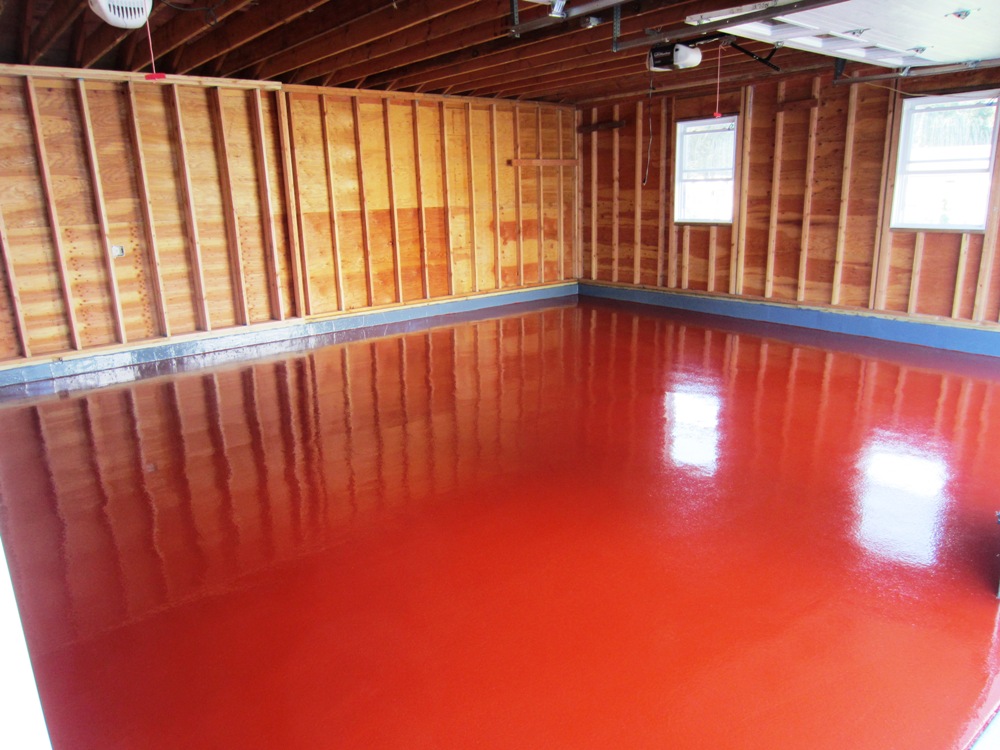
- Garages: Add color and durability without sacrificing utility.
- Kitchens and Hallways: Bring warmth and depth to open-plan living spaces.
- Outdoor Patios: Mimic the look of natural stone at a fraction of the cost.
- Entryways and Walkways: Make a statement from the moment guests arrive.
Commercial and Industrial Spaces
- Retail Stores: Combine style and function with floors that stand up to foot traffic.
- Restaurants and Breweries: Create an atmosphere with character and easy cleanability.
- Offices and Lobbies: Impress clients with a polished, modern aesthetic.
- Showrooms: Showcase your products against a visually striking, reflective backdrop.
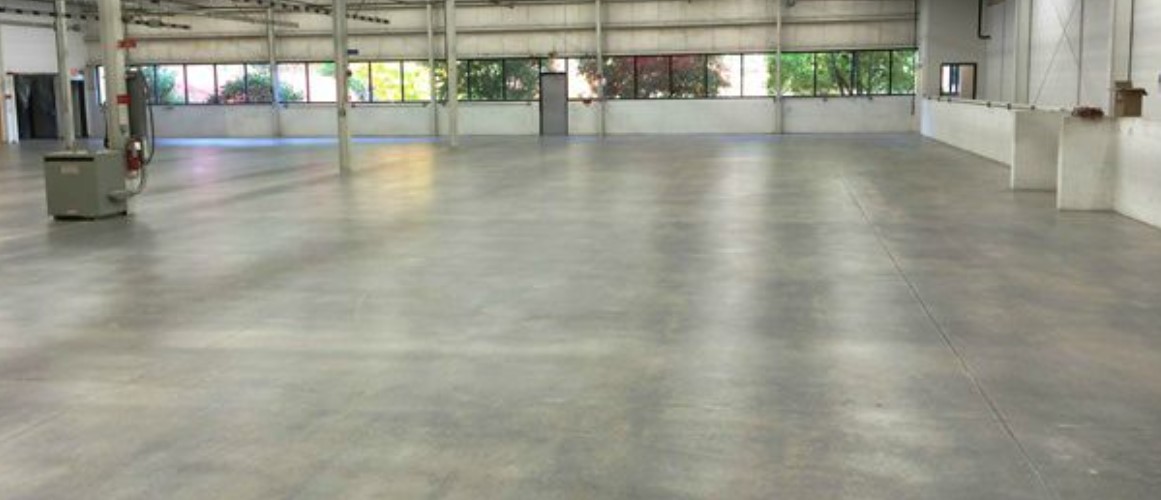
- Warehouses: Upgrade plain concrete floors for a more professional, safe environment.
The Acid Staining Process: Step-by-Step
While acid staining is a technical process that requires precision and experience, the general steps are consistent across most projects.
Step 1: Surface Preparation
All dirt, grease, sealers, paints, and other contaminants must be removed. The surface is cleaned thoroughly, and sometimes mechanically ground or etched to open the pores of the concrete. This is the most critical step for ensuring the stain penetrates and reacts correctly.
Step 2: Testing and Sample Colors
A test patch is often applied to determine how the concrete will react to the stain. Because each slab is different, this step helps set expectations for the final appearance.
Step 3: Stain Application
Using brushes, sprayers, or sponges, the acid stain is carefully applied to the surface. Multiple coats may be applied, depending on the desired richness of color. The stain is left to react for several hours.
Step 4: Neutralization and Cleanup
After the chemical reaction has occurred, the residue is neutralized using an ammonia or baking soda solution and then thoroughly rinsed. The floor is allowed to dry completely before sealing.
Step 5: Sealing
A protective sealer is applied to lock in color and add a glossy or matte finish, depending on preference. For outdoor surfaces or high-traffic areas, a slip-resistant additive can be included in the sealer.
Design Options for Acid Stained Concrete
Acid-stained concrete is incredibly versatile in terms of style. Here are a few design ideas:
- Natural Earth Tones: Colors such as brown, amber, green, and tan blend beautifully with outdoor landscaping or rustic interiors.
- Marble or Stone Effect: Layering stain colors can mimic the depth and complexity of natural stone.
- Borders and Patterns: Saw cuts or engraved lines can be used to create tile patterns or decorative inlays.
- Stenciled Logos or Art: Ideal for commercial spaces looking to incorporate branding or artwork directly into the floor.
Maintenance Tips for Acid-Stained Concrete
Maintaining your acid-stained surface will ensure it continues to look beautiful for years. Here are a few tips:
- Sweep or dust mop regularly to remove grit and debris.
- Mop with a pH-neutral cleaner—avoid bleach, ammonia, or acidic products.
- Reseal the surface every 2 to 4 years, depending on foot traffic and UV exposure.
- Use rugs or mats in high-traffic areas or beneath furniture to prevent abrasion.
- Clean spills promptly, especially if the stain is acidic or oily.
Cost of Acid Staining in Hartford CT
The cost of acid staining varies based on surface condition, size, design complexity, and whether you are using multiple stain colors or custom finishes.
Average costs per square foot:
- Basic single-color stain: $3 to $5
- Mid-range with multiple colors or borders: $6 to $8
- High-end designs with logos, scoring, or patterns: $9 to $12+
Compared to tile, hardwood, or stone, acid staining provides significant savings, especially when utilizing your existing concrete slab.
Why Hire a Professional in Hartford?
While there are DIY acid staining kits available, they often result in uneven finishes, permanent discoloration, or costly mistakes. Hiring a professional ensures:
- Proper surface preparation and cleaning
- Even stain application and chemical neutralization
- High-quality sealers and finishing products
- Accurate color results based on experience
- Safe handling of acid-based materials
- Protection of nearby landscaping, walls, or surfaces
A seasoned contractor will also be able to recommend the best stain colors, finish levels, and sealers for your specific space and climate conditions.
Frequently Asked Questions (FAQ)
How long does acid-stained concrete last?
When properly sealed and maintained, acid-stained concrete can last for decades. The color becomes part of the surface and does not peel or fade like paint.
Can any concrete be acid stained?
Most sound, unsealed concrete can be acid stained. However, concrete that has been painted, sealed, or heavily damaged may require additional preparation or resurfacing.
Is acid-stained concrete slippery?
It can be when wet, especially with high-gloss sealers. Slip-resistant additives are often included in the topcoat for outdoor or commercial applications.
Does the color fade over time?
The color itself does not fade because it is chemically bonded. However, if the floor is not resealed periodically, UV exposure and wear can dull the surface.
Can I choose any color I want?
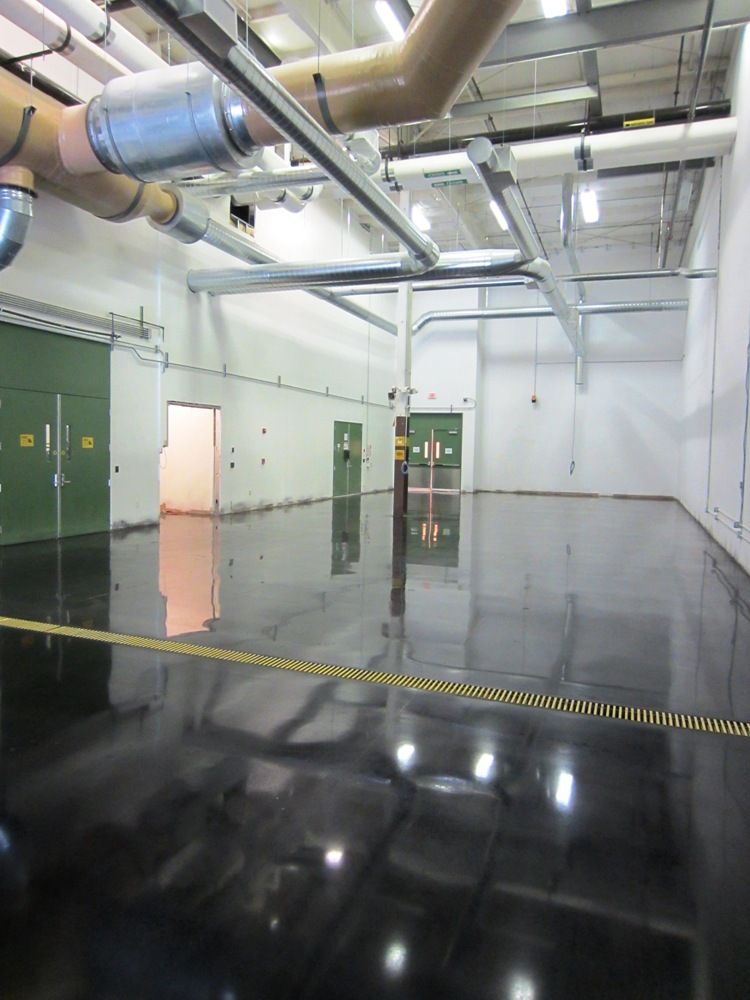
Acid stain colors are generally earth-toned, including browns, greens, ambers, and blacks. For brighter or more uniform colors, water-based stains or dyes may be used instead.
Enhance Your Space with Acid Staining in Hartford CT
Acid staining is more than just a decorative upgrade—it is a long-lasting, low-maintenance flooring solution that adds beauty and character to concrete. Whether you are restoring a vintage property in downtown Hartford or upgrading a modern space in the suburbs, acid-stained concrete offers timeless appeal and practical benefits.
By choosing experienced professionals who understand the materials, techniques, and Hartford climate, you will get a finished product that transforms your concrete surface into a permanent design feature.
Interested in bringing new life to your concrete floors? Visit our website to learn more about our acid staining services in Hartford, CT, view past projects, and schedule your free consultation today.