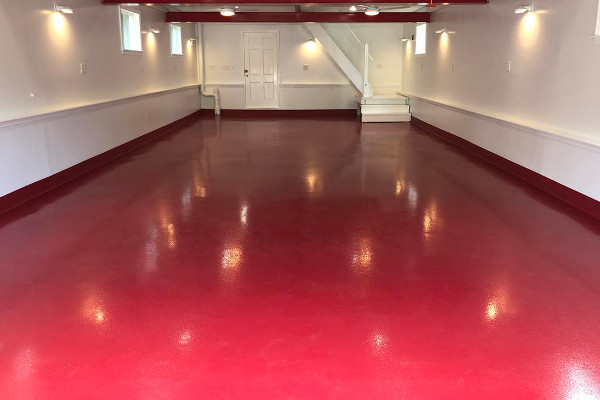

Concrete Floor Coatings: The Smart Solution for Durable and Attractive Surfaces
February 5, 2026Custom Concrete Solutions
Concrete is one of the most widely used building materials in residential, commercial, and industrial spaces. While it is strong and long-lasting, bare concrete is porous, prone to staining, and susceptible to wear over time. That is where concrete floor coatings make a significant difference. By adding a protective and decorative layer to your existing slab, you can dramatically improve durability, appearance, and overall performance.
What Are Concrete Floor Coatings?
Concrete floor coatings are protective systems applied over concrete surfaces to enhance strength, appearance, and resistance to damage. These coatings create a sealed barrier that protects the slab from moisture, chemicals, abrasions, and daily wear.
Unlike paint, which simply covers the surface, professional-grade coatings chemically bond with the concrete. This creates a durable finish that resists peeling, cracking, and chipping when properly installed and maintained.
Concrete floor coatings are commonly used in garages, warehouses, retail stores, commercial kitchens, showrooms, hospitals, manufacturing facilities, and residential basements.
Why Bare Concrete Is Not Enough
While concrete is strong, it has natural vulnerabilities:
- It absorbs moisture, oils, and chemicals
- It can crack or chip under impact
- It produces dust as it wears down
- It stains easily
- It can look dull or unfinished
Applying concrete floor coatings addresses all of these concerns while adding a polished and professional appearance.
Types of Concrete Floor Coatings
There are several types of coatings available, each designed for specific environments and performance needs.
1. Epoxy Coatings
Epoxy is one of the most popular and widely used concrete coatings. It is created by mixing resin and hardener components that chemically react to form a rigid, durable surface.
Benefits of Epoxy:
- Excellent durability
- Chemical resistance
- Custom color options
- Decorative flakes and metallic finishes
- Seamless and easy to clean
Epoxy is commonly used in garages, industrial facilities, and commercial spaces that require strength and visual appeal.
2. Polyaspartic Coatings
Polyaspartic coatings are similar to epoxy but offer faster curing times and superior UV stability. They are ideal for projects that need to be completed quickly.
Benefits of Polyaspartic:
- Rapid curing
- UV resistant
- Flexible in temperature variations
- High durability
These coatings are often used in residential garages, retail settings, and outdoor concrete areas.
3. Polyurethane Coatings
Polyurethane coatings are known for their flexibility and resistance to abrasion. They are often used as a topcoat over epoxy systems.
Benefits of Polyurethane:
- Scratch resistance
- Impact flexibility
- Chemical protection
- Smooth, glossy finish
4. Acrylic Sealers
Acrylic coatings are thinner and more affordable. While not as durable as epoxy or polyaspartic systems, they provide basic protection and improved appearance.
Benefits of Acrylic:
- Budget-friendly
- Quick application
- Enhances color and shine
These are often used on decorative patios or light traffic areas.
Key Benefits of Concrete Floor Coatings
1. Enhanced Durability
Concrete coatings significantly increase resistance to impact, abrasion, and heavy traffic. In commercial and industrial settings, this durability prevents costly repairs and downtime.
2. Chemical and Stain Resistance
In garages, manufacturing plants, or kitchens, exposure to oils, solvents, and cleaning chemicals is common. High-quality coatings prevent absorption and make cleanup simple.
3. Moisture Protection
Concrete naturally absorbs water, which can lead to cracking, mold growth, or surface deterioration. Coatings create a moisture barrier that extends the life of the slab.
4. Improved Safety
Slip-resistant additives can be incorporated into coatings to reduce fall risks. Additionally, bright finishes improve visibility in warehouses and parking structures.
5. Aesthetic Customization
Modern concrete floor coatings offer a wide range of design options:
- Solid colors
- Decorative chip blends
- Metallic finishes
- Custom logos
- Zoned safety striping
These options allow businesses and homeowners to combine performance with style.
6. Easy Maintenance
Coated floors are seamless, with no grout lines or cracks where dirt can collect. Routine sweeping and occasional mopping keep them looking new.
Best Applications for Concrete Floor Coatings
Concrete floor coatings are versatile and suitable for a variety of environments.
Residential Applications
- Garage floors
- Basements
- Patios
- Laundry rooms
- Home gyms
Commercial Applications
- Retail stores
- Restaurants
- Showrooms
- Office buildings
- Medical facilities
Industrial Applications
- Warehouses
- Manufacturing plants
- Distribution centers
- Automotive shops
- Food processing facilities
In each setting, coatings improve both performance and presentation.
The Installation Process
Professional installation ensures maximum durability and longevity. The process typically includes:
1. Surface Preparation
Preparation is the most critical step. The concrete is cleaned, repaired, and mechanically ground to open the pores for proper bonding.
2. Crack and Damage Repair
Cracks, chips, and surface imperfections are filled to create a smooth base.
3. Primer Application
A primer coat enhances adhesion and seals the concrete.
4. Coating Application
The chosen coating system is applied in layers. Decorative flakes or metallic pigments may be added during this stage.
5. Topcoat Sealing
A protective topcoat enhances durability, gloss, and resistance.
6. Curing
Curing times vary by system, but most floors are ready for light use within 24 to 72 hours.
Common Mistakes to Avoid
Choosing the wrong contractor or attempting DIY installation can lead to issues such as:
- Peeling or bubbling
- Uneven finishes
- Premature wear
- Moisture failure
- Poor adhesion
Professional installers understand moisture testing, surface preparation, and environmental factors that influence curing and long-term performance.
Maintenance Tips for Coated Floors
To maximize the lifespan of your coating:
- Sweep regularly to remove grit
- Mop with a mild, non-acidic cleaner
- Clean spills promptly
- Avoid dragging heavy equipment
- Reapply topcoat as recommended in high-traffic areas
With proper care, high-quality concrete coatings can last 10 to 20 years or more.
Cost Considerations
The cost of concrete floor coatings depends on:
- Surface condition
- Square footage
- Type of coating system
- Design complexity
- Repair requirements
Basic systems may range from $3 to $6 per square foot, while premium epoxy or polyaspartic systems with decorative finishes may range from $7 to $12 or more per square foot.
While initial costs vary, the long-term savings from reduced repairs and maintenance make coatings a smart investment.
Frequently Asked Questions
How long do concrete floor coatings last?
With proper installation and maintenance, professional coatings can last 10 to 20 years, depending on traffic and environment.
Are coated floors slippery?
Slip-resistant additives can be incorporated to improve traction and safety.
Can coatings be applied over old concrete?
Yes, as long as the concrete is structurally sound and properly prepared.
How soon can I use my floor after installation?
Most systems allow light foot traffic within 24 hours. Full vehicle or heavy equipment use may require 48 to 72 hours.
Concrete is strong, but it performs even better with the right protection. Concrete floor coatings enhance durability, improve appearance, and extend the lifespan of your flooring investment. Whether you are upgrading a residential garage, modernizing a retail space, or protecting an industrial facility, coatings provide a long-lasting and cost-effective solution.
If you are ready to transform your concrete floors with a professional coating system, visit our website to learn more about our services, explore project galleries, and request a consultation. Our team is ready to help you protect and elevate your concrete surfaces with solutions built to last.